2026年2月14日

Servo motor
Blogs

What is a servo hydraulic press and how does it work?

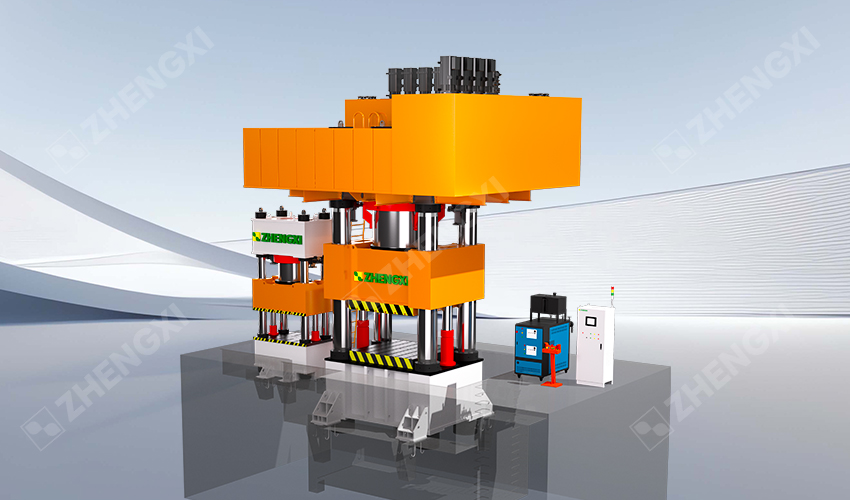
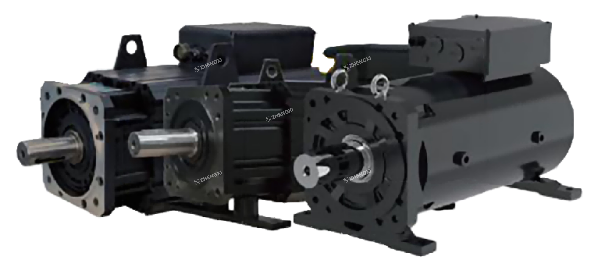
The servo hydraulic press marks a fundamental shift from constant throttling to on-demand power supply. By using servo drive technology, these machines achieve extreme energy savings, high precision, and lower operating costs. This article explores their core principles, key advantages, and applications in precision hydraulic forming.

Intelligent hydraulic press
Blogs

What are the benefits of an intelligent hydraulic press?

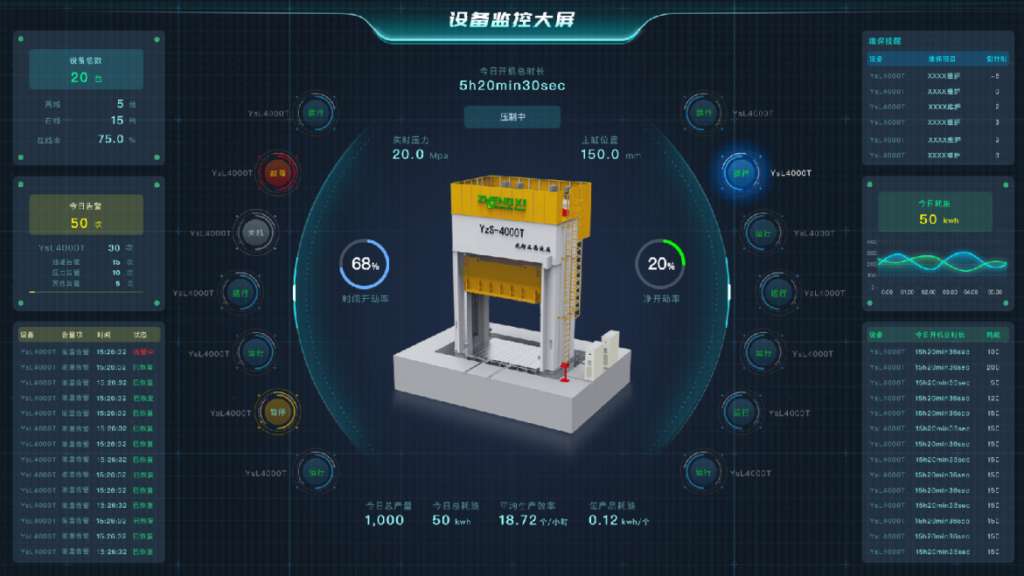
In the era of Industry 4.0, the hydraulic press is transforming from a ‘dumb device’ into an intelligent terminal. This evolution centers on digitalization and smart integration, turning standalone machines into ‘smart production units’ that act as sensors for the factory’s central brain. Key to this is standardized data collection via industrial Ethernet, capturing thousands of data points like current, oil temperature, and pressure curves in real-time. This facilitates flexible integration with industrial robots for millisecond-level synchronization. Digital management is explored across three dimensions: MES system interconnectivity for transparent production scheduling and quality traceability; remote operations for expert support via 5G/VPN; and Predictive Health Management (PHM) using AI to diagnose sensor data and forecast failures, enabling a shift from reactive to preventive maintenance. Advanced applications include fully automated lab presses for material R&D and servo hydraulic presses using digital twins to simulate processes. The core value lies in significant cost reduction through minimized downtime and lower scrap rates, and increased efficiency via rapid die change technologies, making the intelligent hydraulic press a key executor in the digital workshop.

Aerospace
Blogs

How does hydraulic forging press support aerospace automotive sectors?

Hydraulic forging press utilizes high-pressure fluid for precise metal forming across automotive, aerospace, energy and rail sectors. Automotive manufacturing produces crankshafts, gears and aluminum wheels with high fatigue resistance. Aerospace covers titanium landing gears and turbine disks requiring slow compression. Energy applications include nuclear vessels, wind shafts and petrochemical valves. Railway systems use forged axles and bogie frames, while marine engineering produces propeller shafts. Construction machinery benefits from reinforced cylinders. With precise control, massive tonnage capacity and energy efficiency, hydraulic forging press remains essential for critical component production.

Die forging hydraulic press
Blogs

What Are the Applications of Die Forging Hydraulic Press in Automotive Industry?

Die forging hydraulic presses play a vital role in the automotive industry, enabling precision forging of key components such as engine parts (e.g., piston rods, crankshafts) and transmission systems (e.g., gears, shafts). Through processes like hot die forging and multi-directional forging, they improve material utilization, production efficiency, and product quality while reducing costs. Applications include lightweight aluminum wheels and complex parts like fork shafts, supported by servo control and automation for high reliability and safety.

滚动至顶部