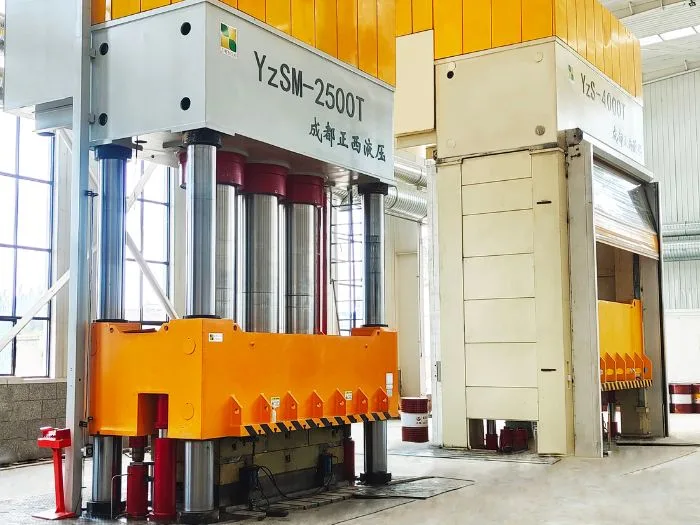
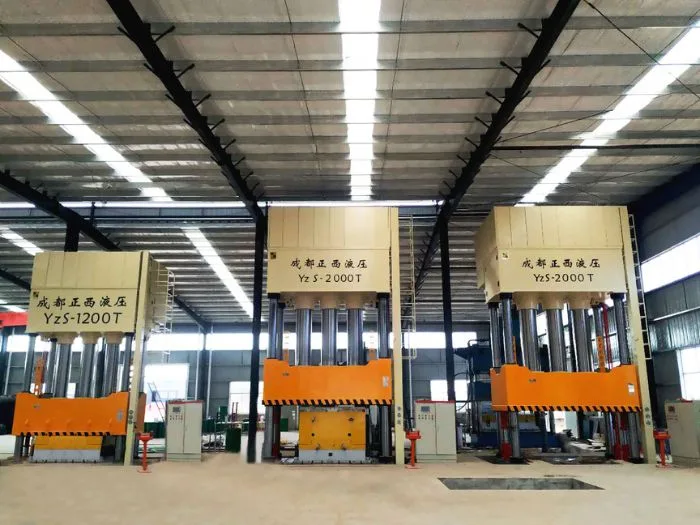
Hydraulic press machines are critical across various industries, each leveraging the unique capabilities of these machines to achieve specific outcomes. Below are more detailed applications in key industries:
Automotive Industry
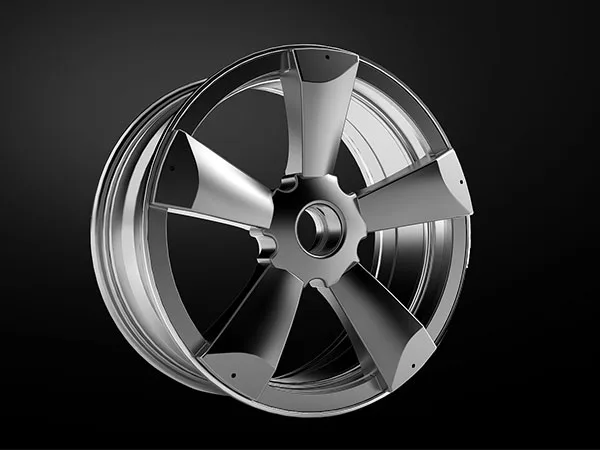
The automotive industry is one of the largest consumers of hydraulic press machines. These machines are integral to the production of numerous components, ensuring that vehicles are manufactured with high precision and durability.
- Chassis and Frame Manufacturing: Hydraulic presses are used to form and shape the chassis and frames of vehicles. The high force generated by the presses allows for the shaping of high-strength steel and aluminum alloys, ensuring that the structural components of vehicles meet safety and performance standards.
- Transmission and Engine Parts: Hydraulic presses are essential in the manufacturing of engine components, such as pistons, gears, and valves. The precision and control offered by hydraulic presses ensure that these parts are produced to exact specifications, crucial for the efficient operation of engines and transmissions.
- Body Panels and Doors: In automotive manufacturing, hydraulic presses are used in the deep drawing process to form body panels and doors. This involves shaping flat sheets of metal into complex, three-dimensional shapes, ensuring that each part is consistent in quality and fit.
Aerospace Industry
The aerospace industry demands the highest standards of precision, strength, and reliability, making hydraulic press machines indispensable in the production of various aerospace components.
- Aircraft Structural Components: Hydraulic presses are used to form large, complex components such as wing spars, fuselage panels, and bulkheads. These components must withstand extreme conditions, and hydraulic presses ensure they are formed with the required strength and integrity.
- Composite Material Production: The aerospace industry extensively uses composite materials for their strength-to-weight ratio. Hydraulic presses are involved in compression molding processes where composite materials like carbon fiber are shaped into aircraft components, including wings, fuselage sections, and control surfaces.
- Landing Gear and Actuator Parts: Hydraulic presses play a critical role in producing high-strength, precision-engineered parts for landing gear and hydraulic actuators. These parts must endure significant loads and stresses, making the precise manufacturing capabilities of hydraulic presses essential.
Electrical and Electronics Industry
In the electrical and electronics industry, hydraulic press machines are used to produce components that require precision and consistency.
- Electrical Connectors and Contacts: Hydraulic presses are used to stamp and form electrical connectors and contacts from metals like copper and aluminum. The precision of hydraulic presses ensures that these components maintain the necessary electrical conductivity and mechanical strength.
- PCB Lamination: Hydraulic presses are also used in the production of printed circuit boards (PCBs). The lamination process, which involves pressing together layers of conductive material and insulating substrate, relies on hydraulic presses to achieve uniform pressure and temperature, ensuring the integrity of the final product.
- Battery Manufacturing: In the production of batteries, particularly lithium-ion batteries used in electronics and electric vehicles, hydraulic presses are used to compress the layers of active material onto the battery’s electrodes. This process is critical to achieving the required energy density and performance characteristics.

Metal Fabrication Industry
The metal fabrication industry heavily relies on hydraulic presses for various forming, cutting, and shaping operations.
- Sheet Metal Forming: Hydraulic presses are widely used in sheet metal forming operations, such as bending, flanging, and hemming. These processes are crucial for creating parts like enclosures, brackets, and panels used across different industries.
- Punching and Blanking: Hydraulic presses are used to punch and blank metal sheets into specific shapes and sizes. This is common in the production of components like washers, brackets, and other small parts that require high precision and repeatability.
- Tube and Pipe Bending: In the metal fabrication industry, hydraulic presses are also used to bend pipes and tubes to specific angles and radii. This application is essential in the production of components for construction, automotive exhaust systems, and HVAC systems.
Construction Industry
In the construction industry, hydraulic press machines are employed to manufacture various structural components and equipment.
- Concrete Block and Tile Production: Hydraulic presses are used in the production of concrete blocks and tiles. The press compacts the concrete mixture into molds, ensuring that the blocks and tiles are dense, strong, and durable. This process is essential for creating building materials that meet specific structural standards.
- Steel Beam and Column Forming: Hydraulic presses are used to shape steel beams and columns, which are critical components in building construction. The ability to form these components with high precision ensures that they meet the load-bearing requirements necessary for safe and stable structures.
- Heavy Machinery Components: Hydraulic presses are also involved in manufacturing components for heavy construction machinery, such as excavators, bulldozers, and cranes. These parts must be robust and reliable, capable of withstanding the harsh conditions of construction sites.

Plastic and Rubber Industry
The plastic and rubber industries utilize hydraulic presses in various molding and forming processes.
- Injection Molding: Hydraulic presses are used in injection molding machines to produce plastic parts. The press injects molten plastic into a mold, where it cools and solidifies into the desired shape. This process is used to produce a wide range of products, from consumer goods to automotive parts.
- Rubber Vulcanization: In the rubber industry, hydraulic presses are used in the vulcanization process, where raw rubber is heated and compressed in a mold to form products like tires, gaskets, and seals. The precise control of pressure and temperature in hydraulic presses ensures that the rubber components are uniform in quality and free from defects.
- Thermoforming: Hydraulic presses are also used in thermoforming processes, where plastic sheets are heated and then pressed into molds to create items such as packaging trays, containers, and automotive interior components. The consistency and control offered by hydraulic presses are crucial for producing high-quality thermoformed products.
Conclusion
Hydraulic press machines are essential tools across multiple industries, each utilizing the unique capabilities of these machines to meet specific manufacturing needs. From automotive and aerospace components to metal fabrication, construction, and plastic molding, hydraulic presses play a vital role in producing high-quality, precise, and durable products. Understanding their industry-specific applications underscores the importance of hydraulic press machines in modern manufacturing and their impact on various sectors of the global economy.