Summary
Hot stamping machine encompasses various types including hydraulic hot press and vacuum hot press systems for industrial applications. These machines utilize advanced heating plate technology and precision pressure sensor systems to achieve optimal temperature control and hot pressing results. Ideal for electronics manufacturing, materials bonding, and composite processing, hot stamping equipment delivers consistent performance with features like PLC control, heat sealing, and thermal bonding capabilities. Key components such as heating elements, hydraulic cylinders, and temperature sensors ensure reliable operation. From FPC/COF bonding to powder metallurgy and ceramic forming, vacuum hot press and hydraulic hot press technologies serve multiple industries including packaging printing, woodworking, and electronics assembly. Manufacturers offer automatic and semi-automatic configurations with varying pressure and temperature specifications to meet diverse production requirements.
Vacuum Hot Press Systems: Precision Bonding Solutions for Electronics Manufacturing
FPC/COF Precision Hot Pressing Applications
Vacuum hot press machines achieve ultra-precise bonding for flexible printed circuits (FPC) and chip-on-flex (COF) applications. These hot stamping machines create controlled environments where air pressure is removed during the hot pressing cycle. The vacuum environment eliminates air bubbles between bonding layers. This ensures superior electrical conductivity and mechanical strength in electronic connectors.
Powder Metallurgy and Ceramic Forming
Vacuum hot press technology excels in powder metallurgy processing. Metal powders are compressed under vacuum conditions while heat is applied through precision heating plates. This creates dense, high-strength components with minimal porosity. Ceramic hot pressing similarly benefits from vacuum environments. The technique produces advanced ceramic parts for aerospace and medical devices.
Hydraulic Hot Press Machines: Heavy-Duty Industrial Hot Stamping Equipment
High-Pressure Composite Manufacturing
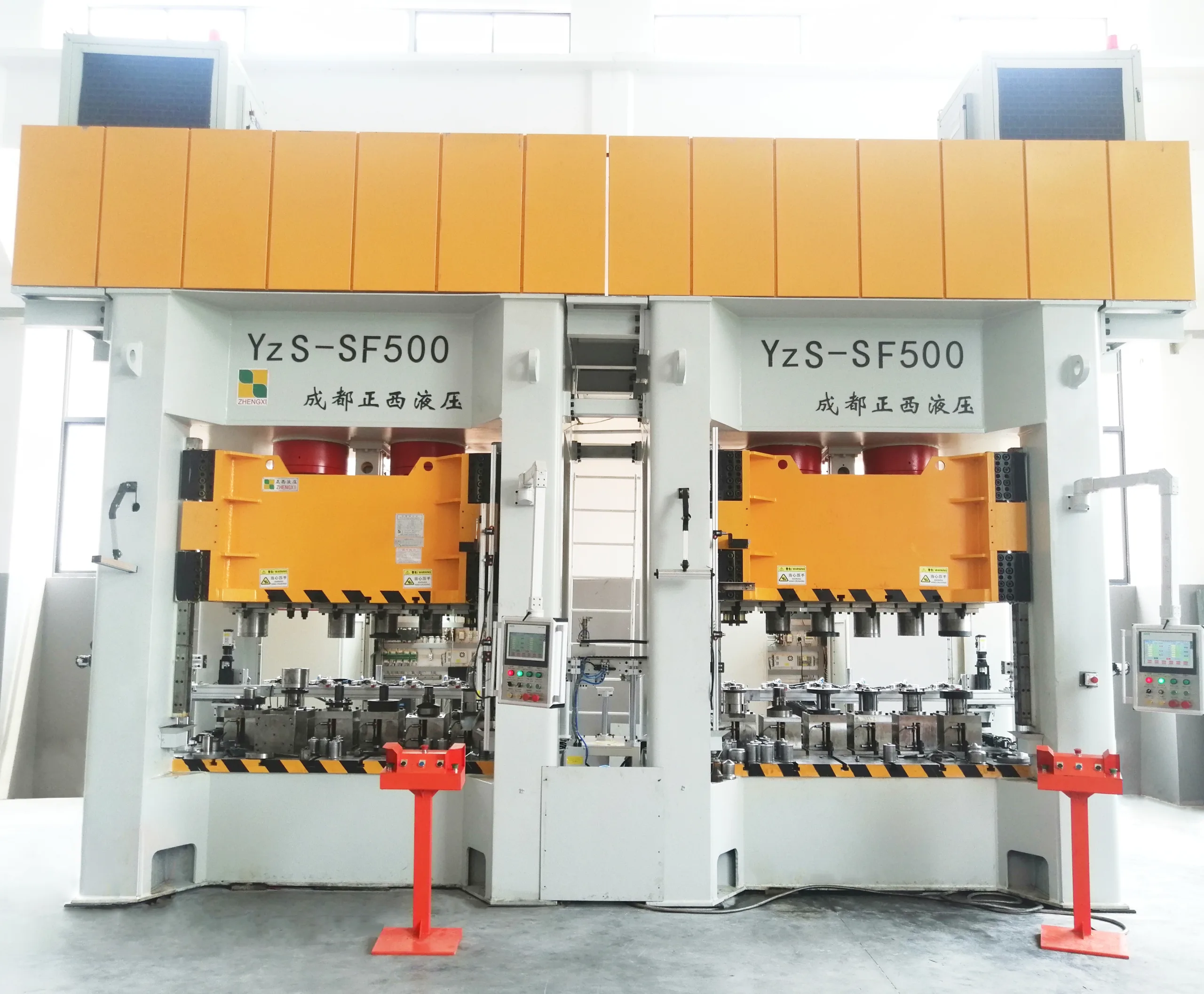
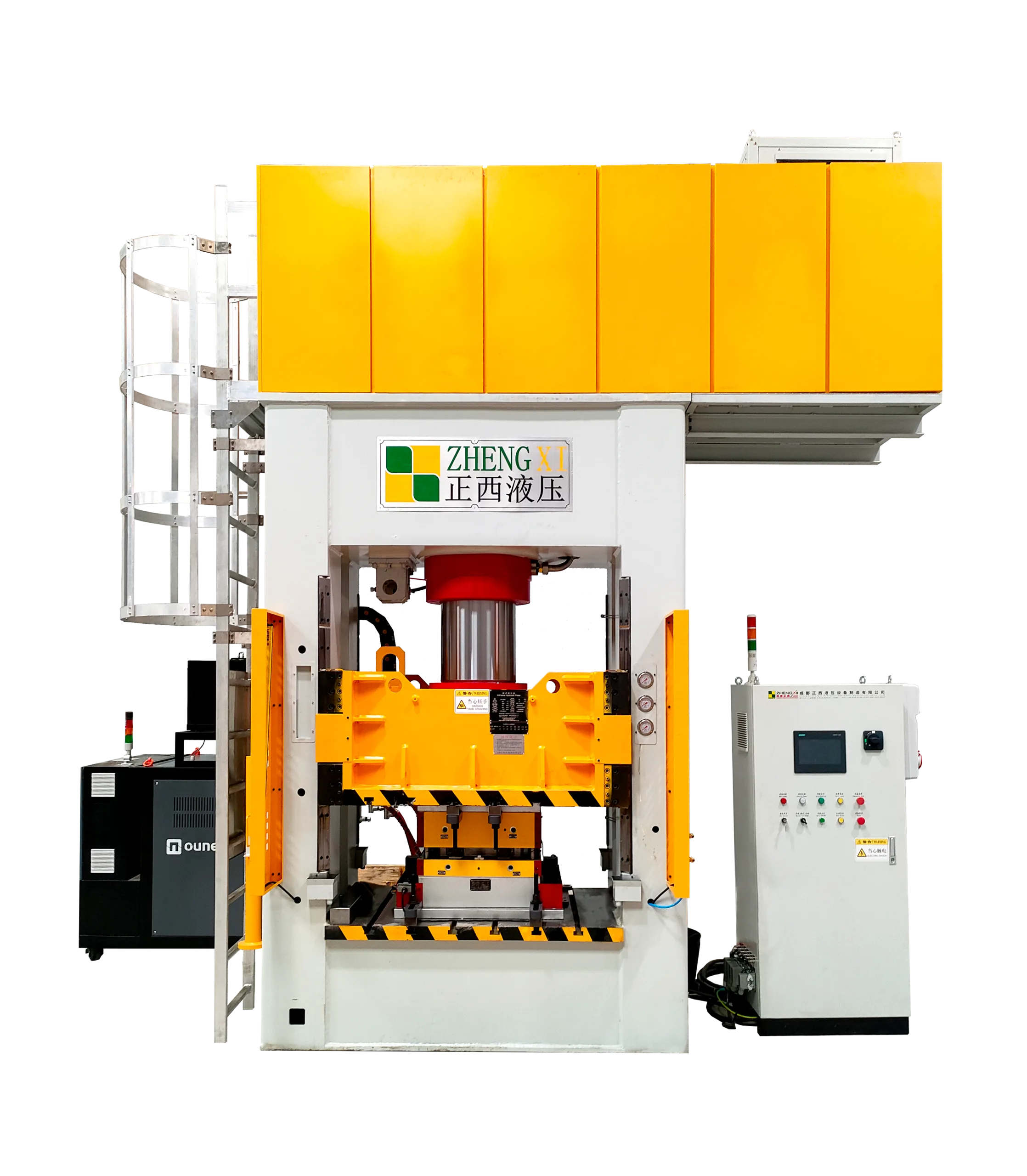
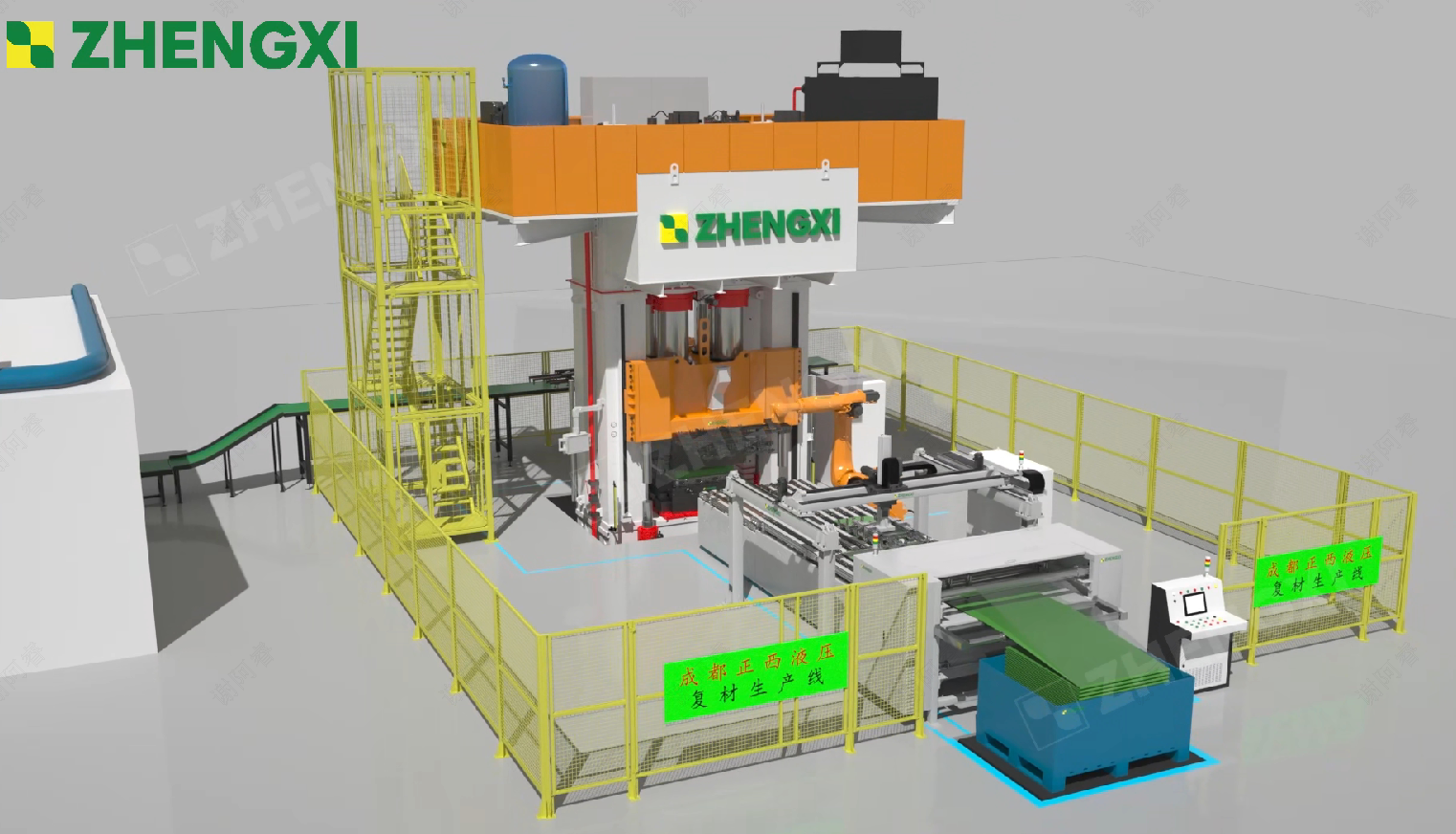
Hydraulic hot press systems deliver substantial pressing force for heavy-duty applications. These hydraulic machines generate consistent pressure through hydraulic cylinders and advanced pressure sensors. The pressure sensor monitors and adjusts force levels in real-time. This ensures uniform pressure distribution across the heating plate surface. Composite manufacturers rely on these hot stamping machines for producing fiber-reinforced plastics and laminated materials.
Woodworking and Lamination Processing
Hydraulic hot press equipment dominates the woodworking industry. Plywood, particleboard, and medium-density fiberboard production requires sustained high pressure and precise temperature control. The heating plate maintains stable thermal conditions throughout the bonding process. Temperature sensors ensure heat uniformity across large surface areas. This produces strong, durable wood composite products.
Essential Components: Heating Plate and Pressure Sensor Technology
Advanced Heating Plate Design
The heating plate serves as the core thermal component in every hot stamping machine. Quality heating plates feature uniform heat distribution zones. They incorporate embedded heating elements for rapid temperature response. Different materials require specific heating plate configurations. Aluminum plates offer fast heating for light-duty work. Steel plates provide thermal mass for sustained high-temperature operations.
Precision Pressure Sensor Integration
Pressure sensors transform hot pressing from art to science. These devices measure applied force with extreme accuracy. Modern hot stamping machines use pressure sensors connected to PLC controllers. The system automatically adjusts hydraulic or pneumatic pressure based on real-time readings. This prevents over-pressing that could damage delicate electronic components. It also ensures adequate pressure for complete material bonding.
Industry Applications: From Electronics to Composite Materials Processing
Electronics Assembly and Heat Sealing
The electronics industry depends heavily on hot stamping machine technology. Heat sealing applications include battery pack assembly, display panel bonding, and semiconductor packaging. Hot pressing creates permanent connections without additional adhesives. This improves product reliability and reduces manufacturing costs. Automatic hot stamping machines increase production speed for consumer electronics.
Packaging Printing and Thermal Bonding
Packaging applications utilize hot stamping for decorative and functional purposes. Thermal bonding joins plastic films and laminated packaging materials. The hot stamping process transfers metallic foils and holographic patterns onto packaging surfaces. This enhances product appearance and anti-counterfeiting features. Packaging hot stamping machines typically feature rapid-cycle heating plates for high-volume production.
Conclusion
Hot stamping machine technology continues evolving to meet diverse industrial demands. Vacuum hot press systems provide precision solutions for electronics and materials research. Hydraulic hot press equipment handles heavy-duty composite and wood processing tasks. Advanced heating plate designs and pressure sensor technologies improve process control. From FPC bonding to ceramic forming, these machines enable high-quality manufacturing across multiple sectors. Understanding the differences between vacuum hot press and hydraulic hot press systems helps manufacturers select optimal equipment for their specific applications.