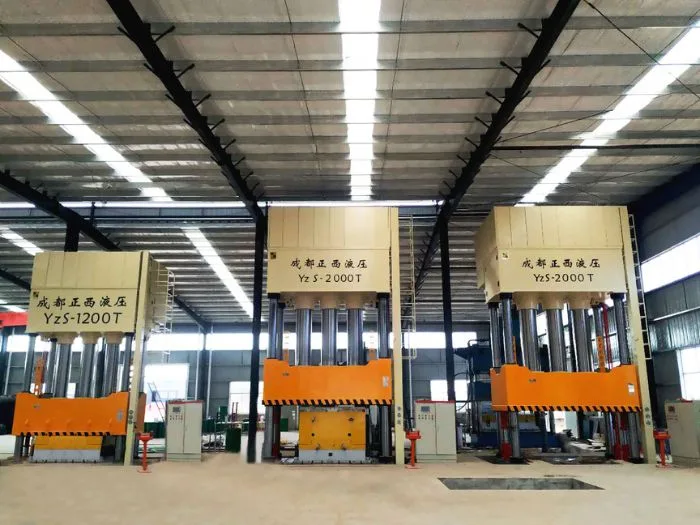
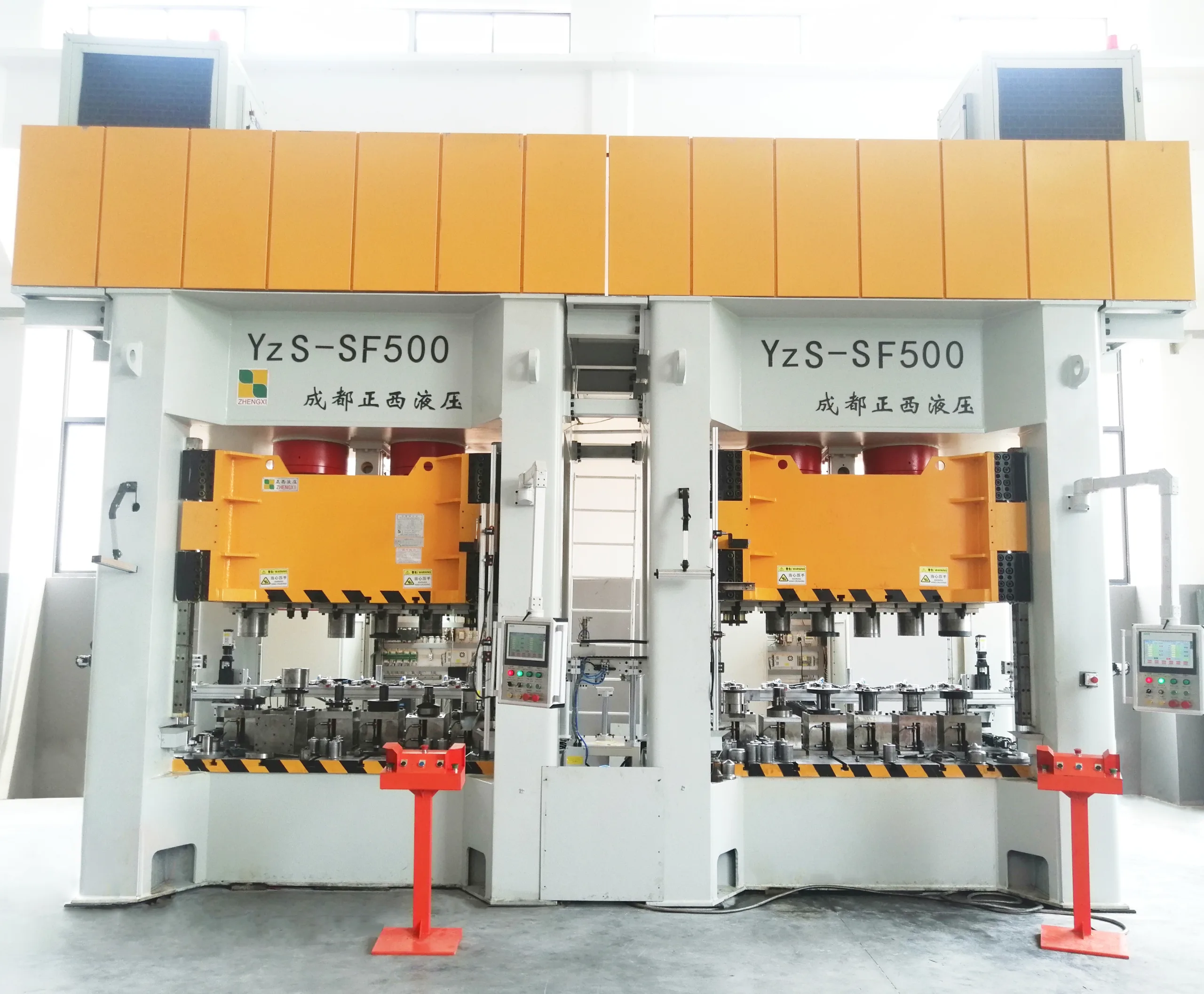
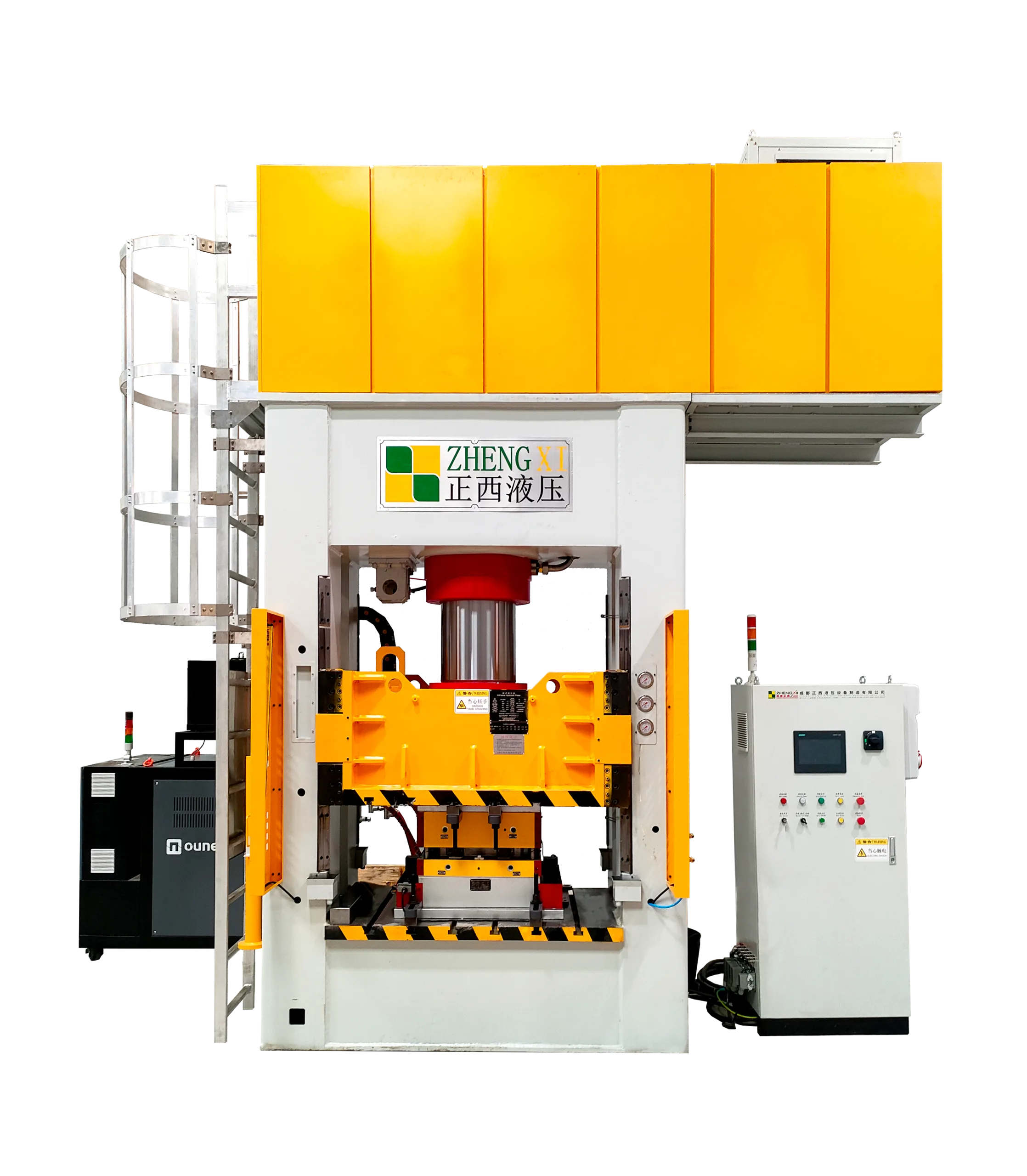
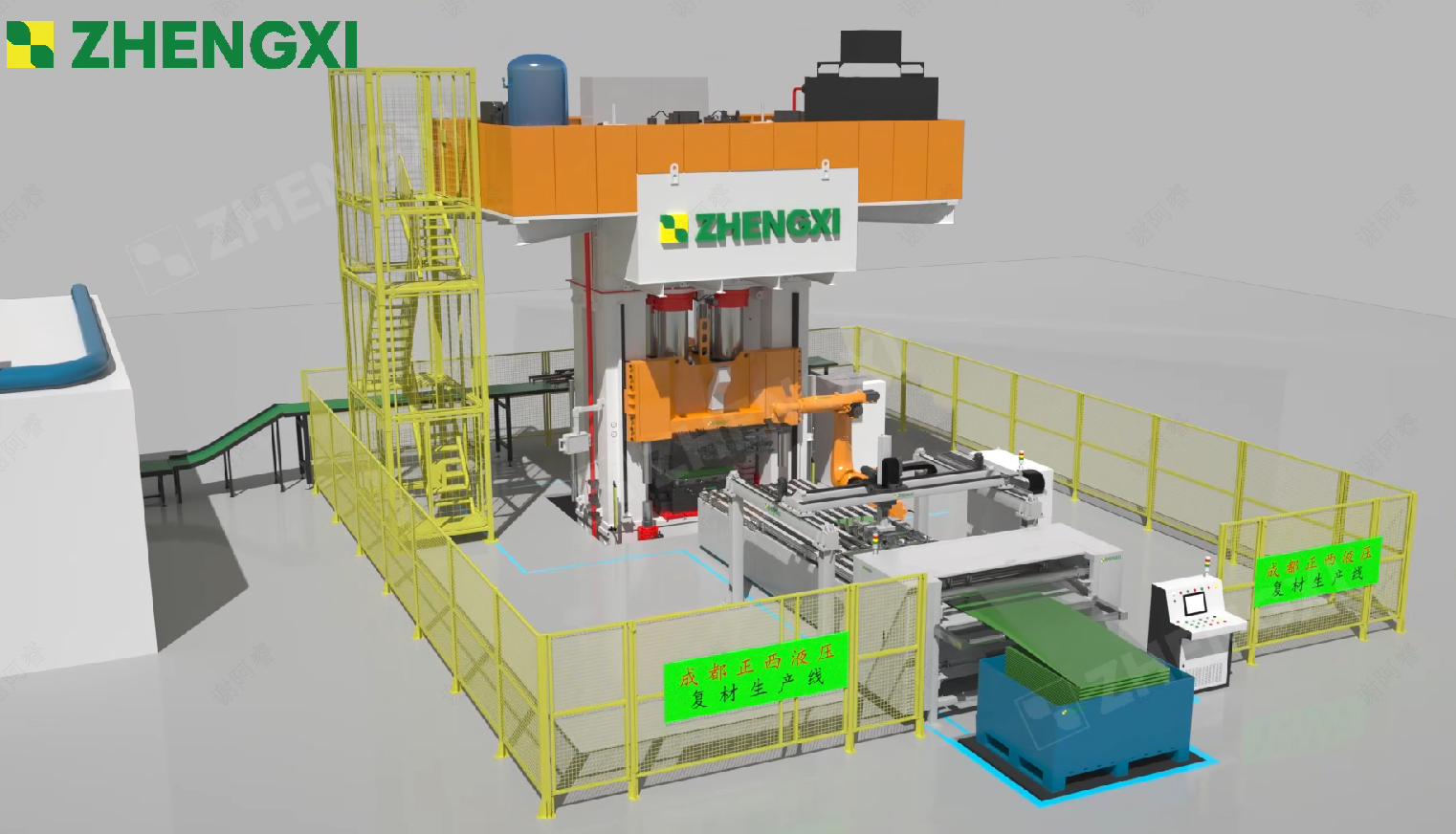
Choosing the right hydraulic press machine is critical for ensuring efficiency, precision, and safety in your manufacturing or industrial processes. Whether you’re involved in metal forming, plastic molding, or assembly operations, selecting the correct hydraulic press requires careful consideration of various factors, from the machine’s capacity to its specific features and your application requirements. This blog will guide you through the key aspects to consider when choosing a hydraulic press machine, helping you make an informed decision that aligns with your operational needs.
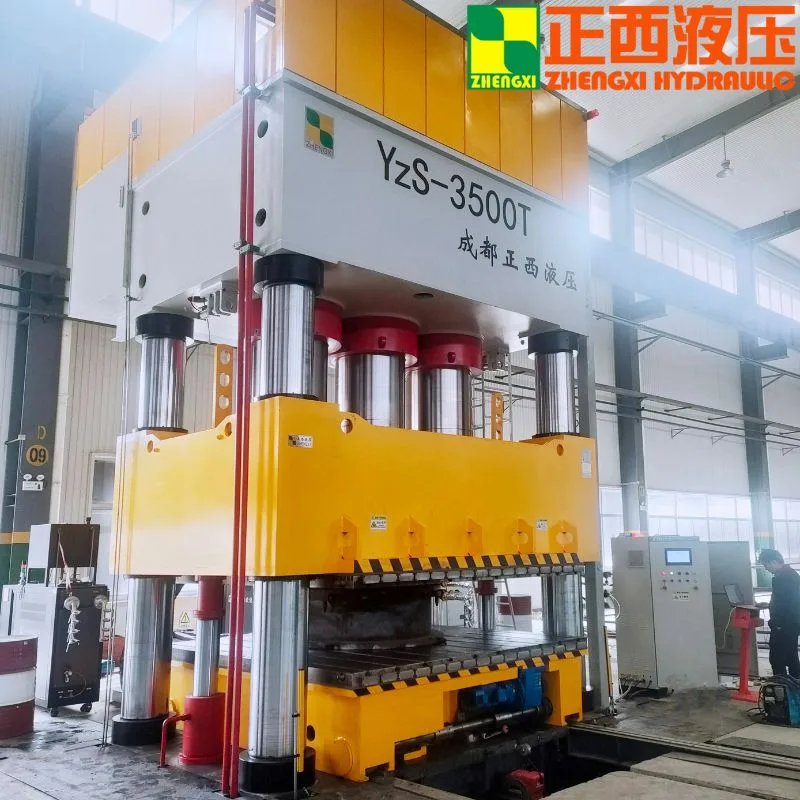
1. Understand Your Application Needs
The first step in choosing a hydraulic press machine is to define your application requirements clearly. Different applications require different press capabilities, so understanding what you need the machine to do is crucial.
- Type of Material: Consider the type of material you will be working with—metal, plastic, rubber, or composite. Each material has specific characteristics that affect the pressing process, such as hardness, ductility, and thickness.
- Type of Process: Identify the specific process you will be performing, such as stamping, forging, bending, deep drawing, or molding. Each process may require a different type of hydraulic press with specific features and capabilities.
- Production Volume: Determine the volume of production. High-volume production may require a more robust and automated press, while a smaller, manually operated press may adequately serve low-volume or prototype production.
2. Determine the Required Press Capacity
The press capacity, often measured in tons, is one of the most critical factors when choosing a hydraulic press. The capacity should be sufficient to handle the maximum load required by your application.
Calculate Force Requirements: Calculate the force needed to perform your operation. This can be done using the formula:
Force (tons)=2000Area (in2)×Material Thickness (in)×Material Strength (PSI)/2000
Ensure that the press you choose has a capacity slightly above your calculated needs to account for any variability in the material or process.
Consider Future Needs: While your current application might require a specific capacity, consider whether your future needs might change. Investing in a press with a slightly higher capacity could save you from having to purchase a new machine if your production requirements increase.
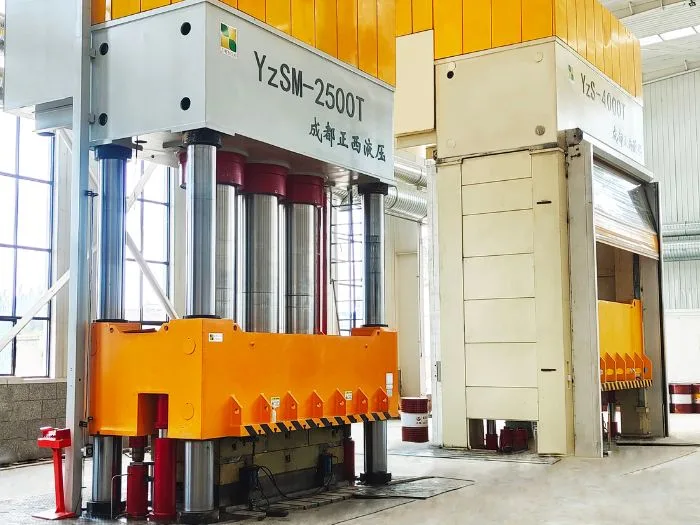
3. Choose the Right Type of Hydraulic Press
There are several types of hydraulic presses, each suited to different applications and processes. Understanding the differences between these types will help you select the right machine for your needs.
- H-Frame Presses: Also known as open-frame presses, these machines are versatile and commonly used in metalworking, assembly, and repair shops. They allow easy access to the workpiece from all sides and are available in various capacities.
- C-Frame Presses: C-frame presses have a smaller footprint and are ideal for smaller workpieces. They are often used in applications like punching, pressing, and assembly operations where precision is key.
- Four-Column Presses: These presses are used for applications requiring high precision and even pressure distribution, such as deep drawing and large-part forming. The four-column design provides excellent stability and strength.
- Straight-Side Presses: These are heavy-duty presses used for high-capacity applications such as large-scale metal forming, stamping, and deep drawing. They offer high rigidity and precision, making them suitable for demanding industrial environments.
4. Evaluate the Control Systems
The control system of a hydraulic press is essential for ensuring precision, repeatability, and safety in your operations. Modern hydraulic presses come with advanced control systems that allow for greater automation and process control.
- Manual vs. CNC Controls: Determine whether your application requires manual controls or more sophisticated CNC (Computer Numerical Control) systems. CNC-controlled hydraulic presses offer greater precision and are ideal for complex, high-volume production.
- Programmable Logic Controllers (PLCs): Many hydraulic presses are equipped with PLCs, which allow for the automation of specific tasks, reducing human error and increasing production efficiency. Consider a press with PLCs if your process requires consistent, repeatable operations.
- Safety Features: Ensure the control system includes essential safety features, such as emergency stop buttons, overload protection, and light curtains. These features are critical for protecting operators and preventing machine damage.
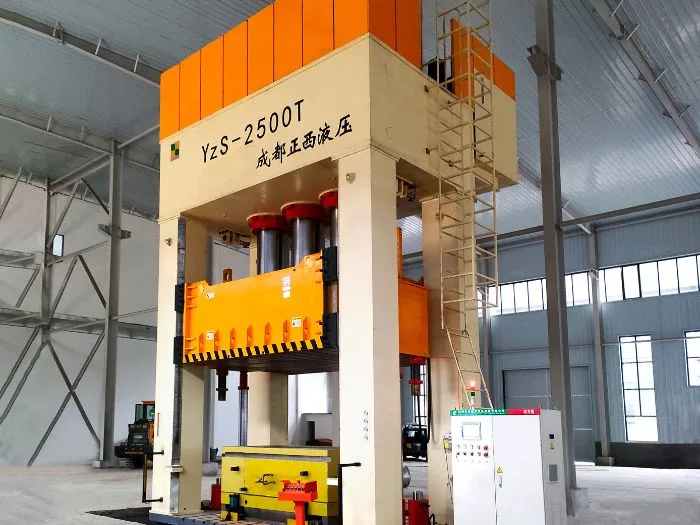
5. Consider the Bed Size and Stroke Length
The bed size and stroke length of a hydraulic press determine the size of the workpiece that can be processed and the range of operations that can be performed.
- Bed Size: The bed size refers to the surface area of the press where the workpiece is placed. Ensure the bed size is large enough to accommodate your workpieces, especially if you will be working with larger or irregularly shaped materials.
- Stroke Length: The stroke length is the distance the ram (or piston) travels when the press is in operation. Choose a press with a stroke length that matches the depth of your forming or molding operations. If your application requires deep drawing or large part forming, a longer stroke length will be necessary.
6. Assess the Speed and Efficiency
The speed at which a hydraulic press operates can significantly impact your production efficiency, especially in high-volume operations.
- Pressing Speed: The speed of a hydraulic press is typically measured in inches per minute (IPM). Faster speeds are beneficial for high-volume production, while slower speeds may be acceptable for smaller or more intricate workpieces.
- Cycle Time: Evaluate the press’s cycle time, which is the time it takes to complete one full pressing operation. Shorter cycle times increase production efficiency but ensure that the speed does not compromise the quality of the workpiece.
- Energy Efficiency: Consider the energy efficiency of the hydraulic press. Modern presses are designed with energy-saving features, such as variable frequency drives (VFDs), which reduce power consumption during idle times. Investing in an energy-efficient press can lower operational costs in the long run.
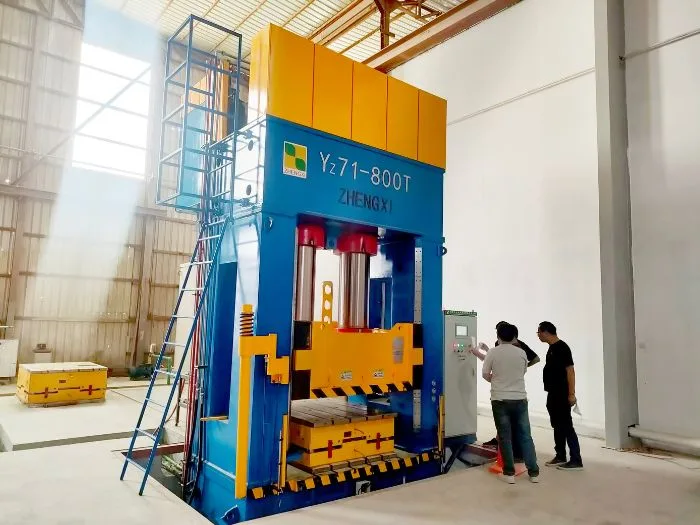
7. Factor in Maintenance and Support
Maintenance and support are crucial considerations when selecting a hydraulic press machine. A well-maintained press can operate efficiently for many years, but poor maintenance can lead to costly downtime and repairs.
- Ease of Maintenance: Choose a press that is easy to maintain, with accessible components and clear maintenance instructions. Some presses come with built-in diagnostic systems that alert operators to potential issues before they become major problems.
- Availability of Spare Parts: Ensure that spare parts for the press are readily available and reasonably priced. This is particularly important if you are purchasing a press from a less common manufacturer.
- Manufacturer Support: Consider the level of support offered by the manufacturer, including warranties, technical support, and training. A reputable manufacturer will provide ongoing support to help you get the most out of your hydraulic press.
8. Budget Considerations
Finally, your budget will play a significant role in determining the hydraulic press machine you choose. While it’s important to stay within your budget, remember that the cheapest option is not always the best.
- Initial Investment vs. Long-Term Costs: Consider the initial cost of the press and the long-term operating costs, including maintenance, energy consumption, and potential downtime. A more expensive, high-quality press may offer better long-term value than a cheaper, less reliable machine.
- Customization Costs: If your application requires specific customizations, factor in the additional costs of modifying the press to meet your needs. Customization can include specialized tooling, automation features, or enhanced safety systems.
Conclusion
Choosing the right hydraulic press machine requires a thorough understanding of your application needs, the specific features of different press types, and the importance of factors like capacity, control systems, and maintenance. By carefully evaluating these aspects, you can select a hydraulic press that not only meets your current operational requirements but also supports future growth and efficiency in your production processes. Investing in the right hydraulic press is a crucial step in ensuring the success and sustainability of your manufacturing operations.