Understanding Hydraulic Press Strength: How Strong Is a Hydraulic Press?
The Science Behind Hydraulic Force Generation
Hydraulic press strength is fundamentally governed by Pascal’s Law, which states that pressure applied to a confined fluid is transmitted uniformly throughout the fluid. The actual force output is calculated using the formula F = P × A, where F represents force, P is hydraulic system pressure, and A is the piston area.
This simple yet powerful relationship allows hydraulic presses to generate forces ranging from desktop models producing a few tons to industrial giants capable of exerting over 80,000 tons of pressure, The strength of a hydraulic press is not arbitrary but rather a carefully engineered parameter determined by cylinder diameter, maximum system pressure, and structural frame integrity.
Tonnage Range and Industrial Applications
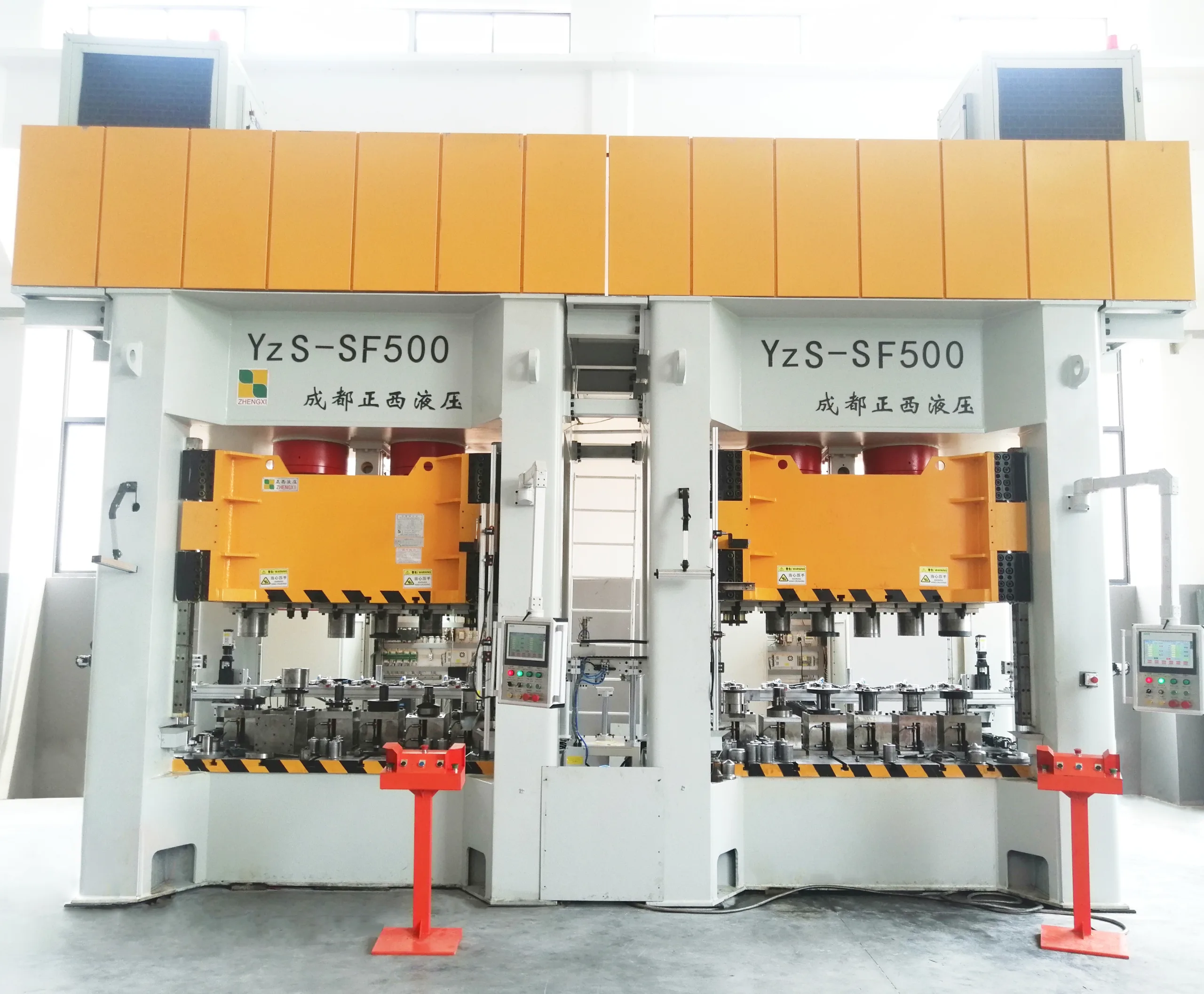
Hydraulic press tonnage spans an impressive spectrum: desktop/laboratory presses (1-40 tons) for material testing, workshop/automotive presses (20-150 tons) for bearing assembly and medium sheet-metal work, standard industrial presses (150-2,000 tons) for deep drawing and compression molding, and heavy forging/national scale presses (2,000-80,000+ tons) for aerospace components and nuclear reactor vessels. Each tonnage range serves specific industrial needs, with higher capacity presses enabling the formation of thicker materials and larger components while maintaining precision and repeatability.
| Category | Ton Range | Application |
|---|---|---|
| Desktop/Laboratory Hydraulic Presses | 1-40 tons | Material testing |
| Workshop/Automotive Hydraulic Presses | 20-150 tons | Bearing assembly and medium sheet metal processing |
| Standard Industrial Hydraulic Presses | 150-2,000 tons | Deep drawing and compression molding |
| Heavy Forging/National Level Hydraulic Presses | 2,000-80,000+ tons | Aerospace components and nuclear reactor pressure vessels |
Factors Influencing Actual Force Delivery
While theoretical tonnage calculations provide baseline expectations, actual hydraulic press strength delivery depends on several practical factors. System efficiency typically ranges from 80% to 90% due to mechanical friction, fluid resistance, and internal leakage. Proper maintenance, including regular seal replacement, fluid filtration, and component lubrication, is essential to maintain optimal force delivery. Additionally, structural rigidity plays a critical role – even with sufficient hydraulic pressure, frame deflection can reduce effective force application and compromise precision. Modern hydraulic presses incorporate overload protection systems that automatically vent pressure when loads exceed preset limits by 10-15%, protecting both the machine and valuable tooling.
High Pressure System Components and Operational Principles
Core Hydraulic System Architecture
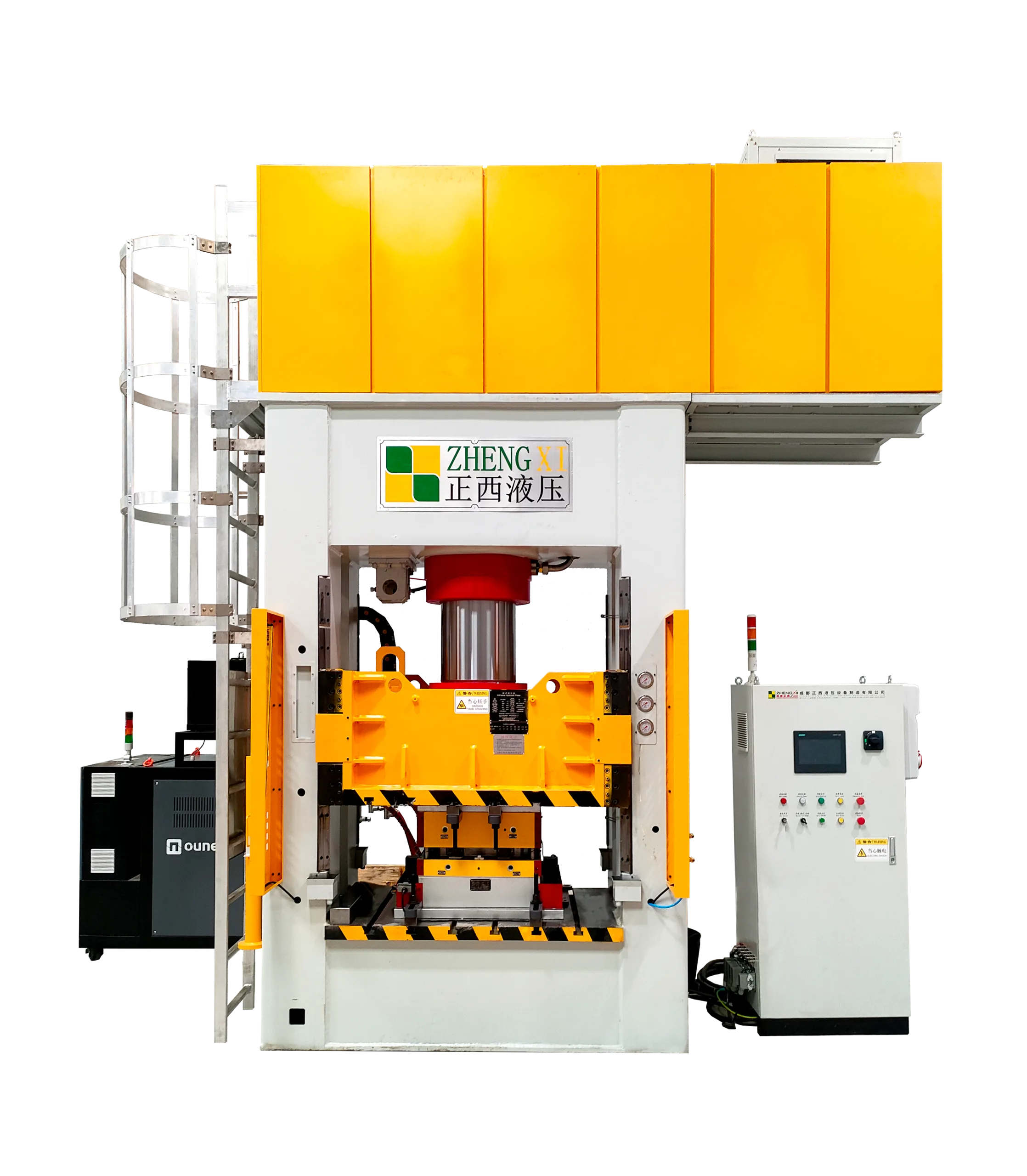
A high pressure hydraulic system comprises several critical components working in concert to generate and control immense forces. The hydraulic power unit (HPU) serves as the system’s heart, containing pumps that generate fluid flow, reservoirs that store hydraulic oil, and filters that maintain fluid cleanliness. Cylinders act as force multipliers, with larger piston areas producing greater output forces at constant pressure. Control valves, including directional, pressure, and flow valves, precisely regulate system operation. Accumulators store pressurized fluid for rapid response to sudden demands, while relief valves prevent pressure from exceeding design limits. These components must be properly sized and matched to ensure efficient, reliable operation under high pressure conditions.
Pressure Generation and Control Mechanisms
High pressure in hydraulic systems is achieved through positive displacement pumps, primarily piston pumps in high-performance applications due to their efficiency and durability under heavy loads. System pressure builds when pump flow encounters resistance, typically when the press contacts a workpiece. The upper pressure limit is set by relief valves, which act as safety sentinels to prevent system damage. Modern hydraulic presses feature advanced pressure control through proportional valves and servo systems that enable precise force adjustment throughout the press stroke. This precise control allows operators to adapt force application based on material properties and forming requirements, optimizing both quality and energy efficiency.
Safety Systems for High Pressure Operation
Operating hydraulic presses at high pressure requires robust safety systems to protect personnel and equipment. Hydraulic overload protection (HOLP) systems automatically vent cylinder pressure when loads exceed preset limits, preventing frame deformation and tooling damage. Pressure monitoring through strain gauges or load cells provides real-time force feedback, enabling precise operation even at performance limits. Structural safety factors, typically 2:1 or higher, ensure frames can withstand loads beyond rated capacity without permanent deformation. Additional safety features include emergency stop systems, light curtains, interlocking guards, and pressure-sensitive mats that create multiple layers of protection for operators working with high pressure hydraulic equipment.
Troubleshooting Common Hydraulic Press Problems
Identifying and Resolving Pressure-Related Issues
Hydraulic press not working properly often manifests as pressure-related problems including failure to build pressure, inability to hold pressure, or failure to reach rated tonnage. Common causes include contaminated check balls preventing proper sealing, worn piston packing allowing internal leakage, defective pressure gauges providing inaccurate readings, and hydraulic fluid contamination reducing system efficiency. Solutions involve cleaning check balls and seats, replacing worn seals and packings, calibrating or replacing pressure gauges, and maintaining proper fluid quality through regular filtration and replacement. Preventive measures include establishing routine inspection schedules, monitoring pressure readings during operation, and training operators to recognize early warning signs of pressure degradation.
Addressing Leakage and Fluid Contamination
Oil leaks represent one of the most common hydraulic press problems, occurring at piston seals, pump plungers, valve rods, and connection points. Leakage causes include overfilled reservoirs, loose packing nuts, worn seals, and damaged components. Beyond visible leaks, internal leakage (bypass) occurs when high-pressure oil escapes internally without performing work, reducing efficiency without visible signs. Fluid contamination, particularly by air and water, accounts for 80-90% of hydraulic system failures. Air contamination causes cavitation and aeration, while water contamination leads to oxidation and component corrosion. Regular fluid analysis, proper filtration, and prompt leak repair are essential for maintaining system integrity and performance.
Resolving Operational Abnormalities
Abnormal noises, vibrations, slow ram movement, and erratic operation signal underlying hydraulic system problems. Noisy pumps often indicate cavitation from air entering the pump inlet, while excessive vibration suggests mechanical issues like loose components or worn bearings. Slow ram movement may result from trapped air in hydraulic lines, low fluid levels, or worn valves. Electrical control failures can cause presses to fail to start, stop unexpectedly, or exhibit control panel malfunctions. Systematic troubleshooting involves checking power supplies, inspecting mechanical components, testing sensors and controls, and verifying system parameters. Regular maintenance including component lubrication, bolt tightening, and system calibration prevents many operational abnormalities before they impact production.
High Pressure Jobs and Professional Applications
Industrial Sectors Utilizing High Pressure Hydraulic Technology
High pressure jobs involving hydraulic systems span numerous industries with demanding force requirements. The automotive industry employs hydraulic presses for stamping body panels, forming chassis components, and assembling powertrain elements. Aerospace applications include forging wing spars, forming turbine discs, and manufacturing structural components requiring extreme precision under high loads. Construction utilizes hydraulic systems for steel bending, concrete testing, and structural component fabrication. The energy sector employs high pressure hydraulic presses for nuclear component manufacturing, wind turbine part formation, and pipeline equipment production. Each sector requires specialized knowledge of material behavior under high pressure and industry-specific safety standards.
Professional Roles in Hydraulic System Operation and Maintenance
High pressure system jobs encompass diverse professional roles including hydraulic technicians responsible for installation, maintenance, and repair; system designers engineering custom hydraulic solutions; quality control specialists ensuring press performance meets specifications; and safety officers implementing and monitoring protective measures. These professionals require comprehensive understanding of hydraulic principles, component functionality, system troubleshooting, and industry regulations. Continuous education is essential as hydraulic technology evolves with advances in materials, controls, and energy efficiency. Professional certification programs validate competency in high pressure hydraulic system operation, enhancing both safety and career prospects in this specialized field.
Emerging Applications and Technological Advancements
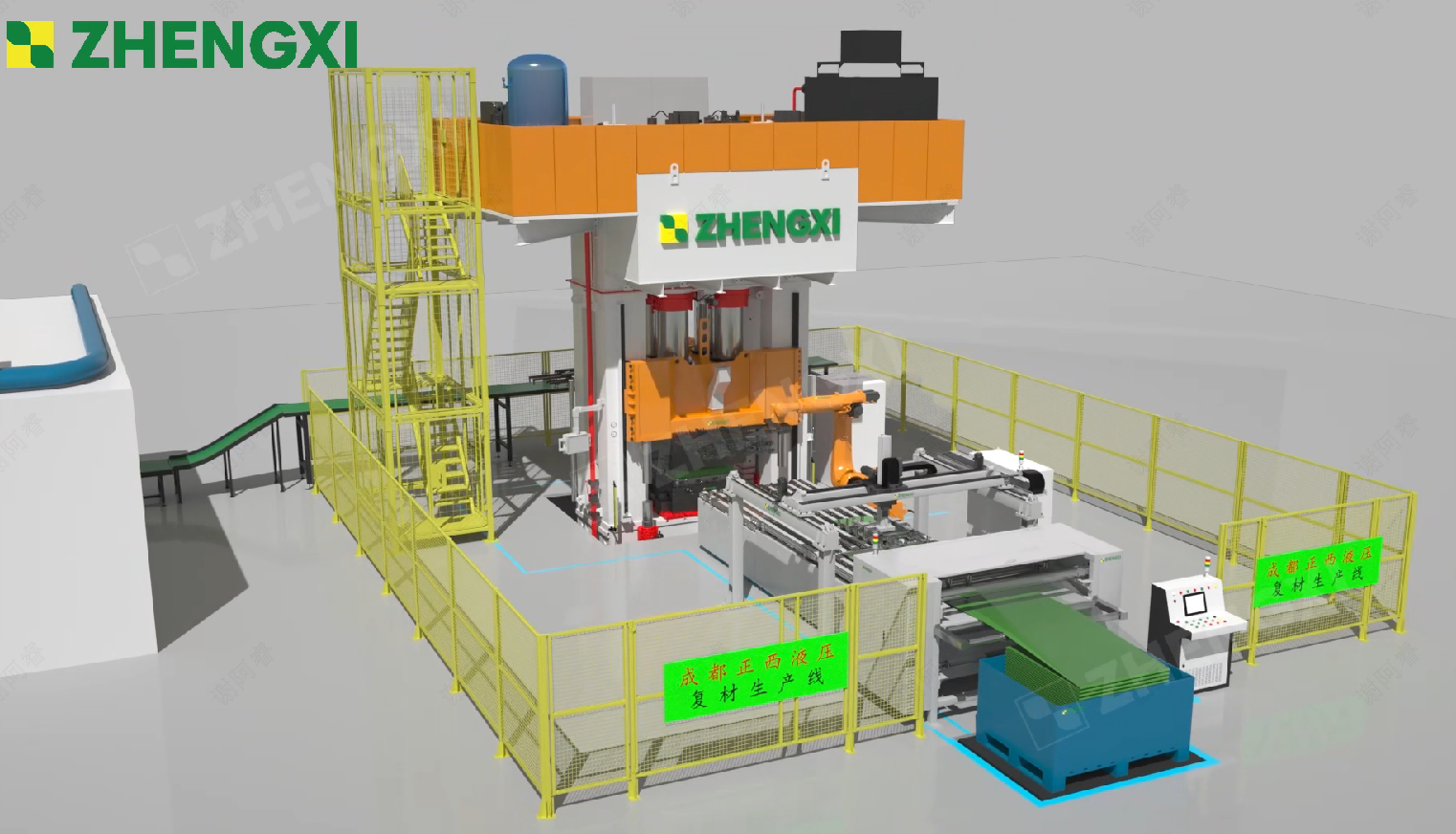
Modern high pressure hydraulic systems are evolving with technological advancements including servo-hydraulic controls enabling precise force and position control, intelligent monitoring systems predicting maintenance needs before failures occur, and energy recovery systems improving efficiency by capturing and reusing energy during press cycles. Emerging applications include additive manufacturing support, composite material forming, and micro-precision fabrication requiring extremely controlled high pressure conditions. The integration of IoT technology allows remote monitoring and optimization of hydraulic press performance, while advanced materials enable higher pressure capabilities with reduced weight and improved durability. These advancements expand both the capabilities of hydraulic technology and the professional opportunities in high pressure system fields.
Conclusion
Hydraulic press high pressure systems represent a cornerstone of modern manufacturing, providing unparalleled force application capabilities across diverse industrial sectors. Their strength, derived from fundamental physical principles and sophisticated engineering, enables everything from delicate material testing to massive component forging. Understanding hydraulic press operation, from basic force generation to advanced control systems, is essential for maximizing their potential while ensuring safety and reliability. As technology advances, these systems continue to evolve with improved efficiency, precision, and intelligence, expanding their applications and professional opportunities. Proper maintenance, systematic troubleshooting, and ongoing education remain crucial for harnessing the full power of hydraulic press high pressure systems in today’s demanding industrial environments.