Engine Components: Enhancing Performance and Reliability with Hydraulic Presses
Piston Rods and Connecting Rods
Hydraulic presses use hot die forging to shape heated metal blanks in a single operation. This reduces the need for additional machining and improves the fatigue resistance and reliability of these critical engine parts.
Crankshafts
Large hydraulic presses can forge heavy-duty crankshafts, replacing traditional casting methods. This increases material density and mechanical performance, meeting the demands of high-load conditions in automotive engines.
Transmission System Parts: Precision Forging for Efficiency and Durability
Gears, Half-Shafts, and Drive Shafts
Hydraulic presses employ high-precision mold designs to form complex structures like gear teeth and splined shafts. This ensures high transmission efficiency and extends the lifespan of these components.
Flanges
Closed-die forging processes produce high-strength flanges used in chassis and suspension systems. These flanges provide reliable connections and withstand rigorous automotive conditions.
Lightweight Applications: Reducing Weight and Improving Efficiency
Aluminum Alloy Wheels
Using warm forging processes, hydraulic presses create strong, lightweight aluminum wheels. This reduces vehicle weight and energy consumption, contributing to better fuel efficiency.
Extrusion Forging
Hydraulic presses support the forging of standard round steel and aluminum alloys. This expands the use of lightweight materials in automotive manufacturing, further enhancing performance and sustainability.
Technical Advantages: Precision, Efficiency, and Cost Savings
High Precision and Strength
Servo control systems in hydraulic presses ensure accurate pressure and position control. This results in consistent dimensions and stable mechanical properties of forged parts. Dynamic recrystallization technology improves material uniformity and reduces machining allowances.
Efficient Production and Automation
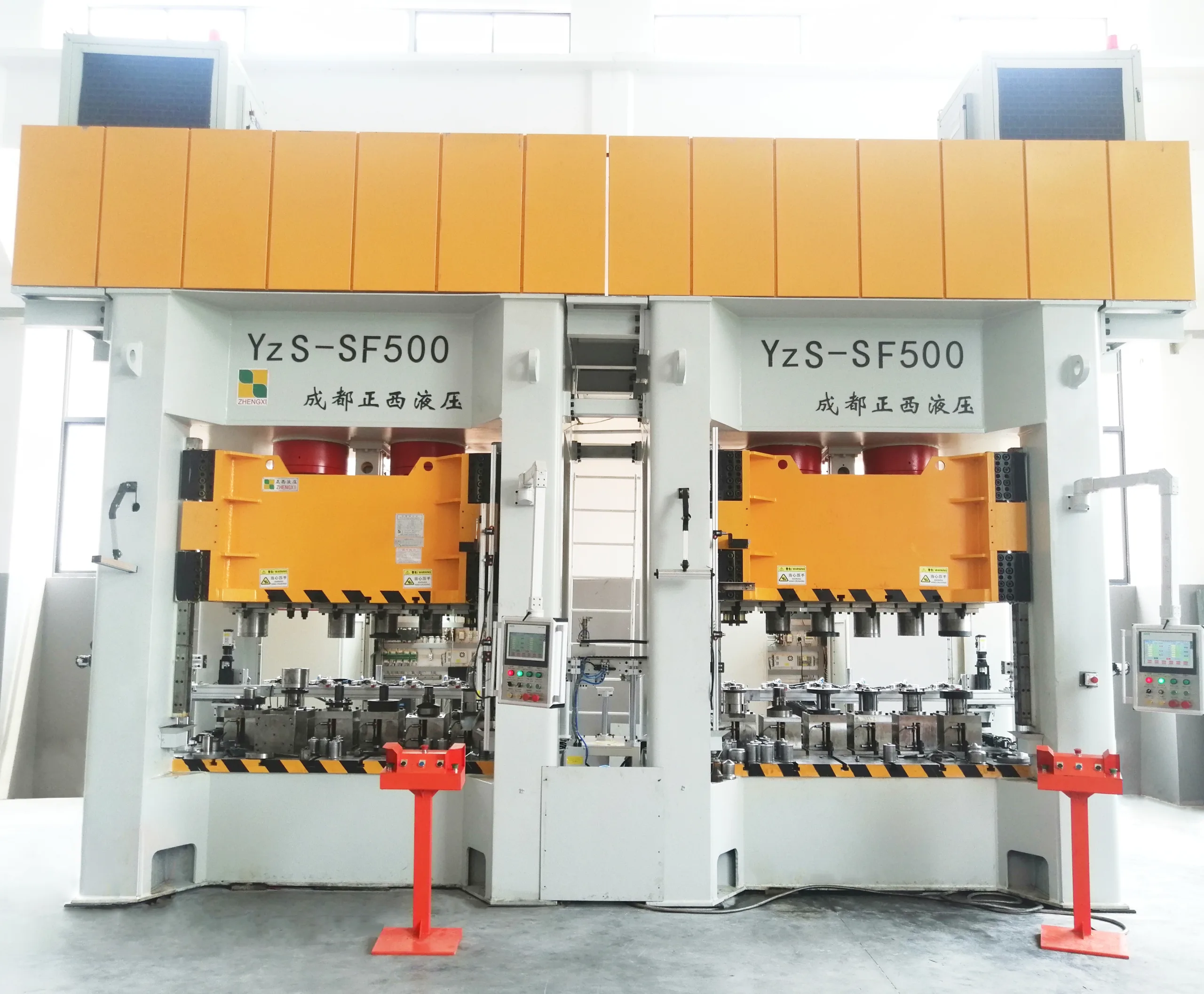
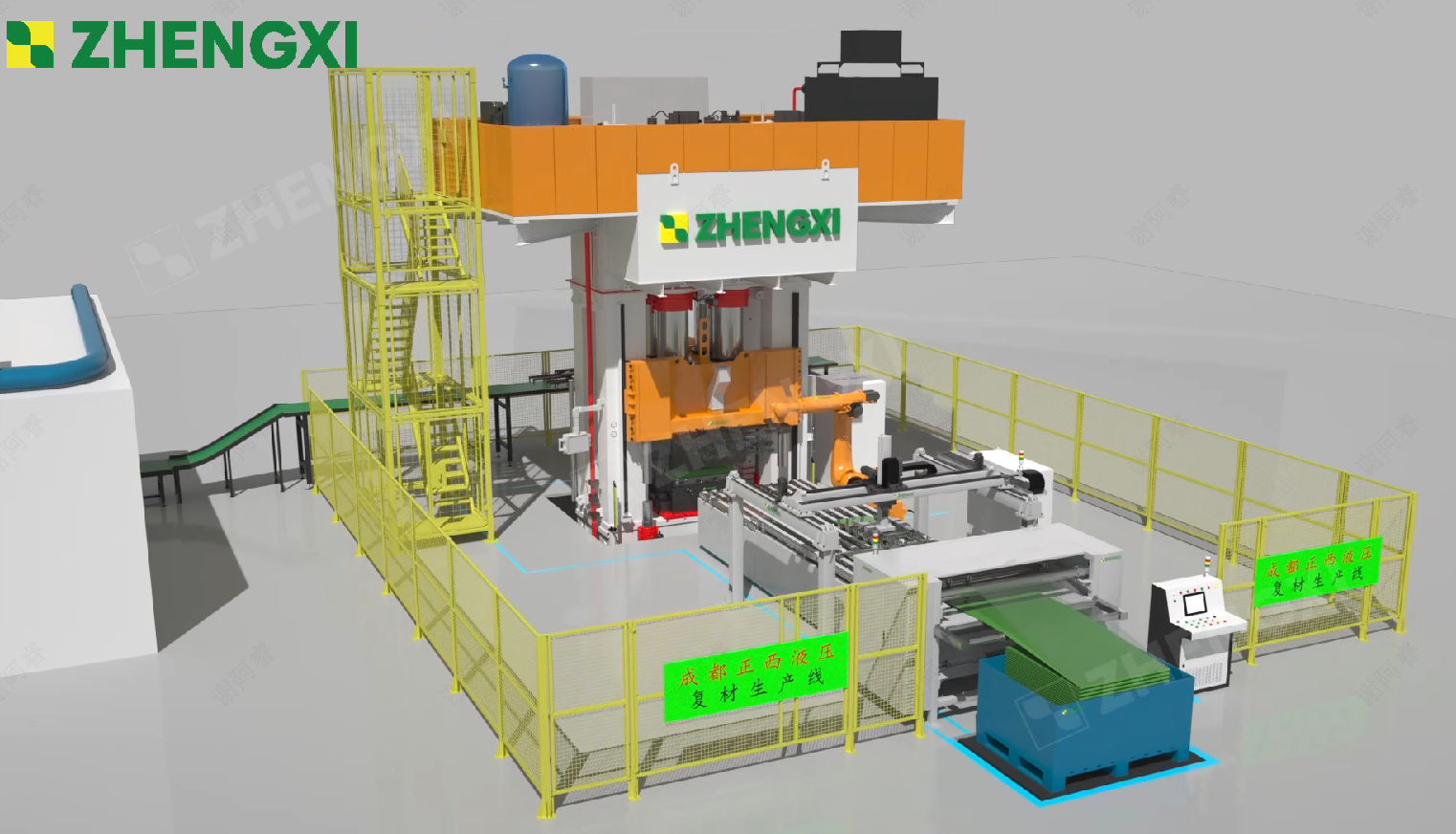
Hydraulic systems enable smooth, continuous operation. Combined with quick mold changes and automated production lines, these presses support efficient, unmanned operations. Features like upper oil cylinders and hydraulic cushions enhance productivity.
Material Utilization and Cost Optimization
Multi-directional forging processes allow the production of complex parts with internal cavities, such as fork shafts. This increases material utilization and reduces waste, lowering overall production costs.
Safety and Reliability
Hydraulic systems include overload protection, oil temperature alerts, and other safety features. PLC controls with comprehensive fault diagnostics ensure safe and continuous operation.
Case Studies: Real-World Applications of Hydraulic Presses
Fork Shaft Forging
Multi-directional hydraulic presses enable one-step forming of fork shafts without flash. This process reduces material weight and increases utilization, meeting strict automotive transmission requirements.
Aluminum Wheel Production
Fast servo hot die forging presses with closed-frame designs produce precise aluminum wheels. The resulting components meet automotive industry standards for accuracy and consistency.
Heavy-Duty Crankshaft Forging
Hot die forging press lines, such as those from Erzhong, provide large-scale, efficient crankshaft solutions. These systems reduce blank costs and improve forging performance for automotive and railway applications.
Final Conclusion:
Die forging hydraulic presses play a vital role in the automotive industry by enabling the production of high-performance, lightweight, and cost-effective components. Their applications in engines, transmissions, and lightweight solutions demonstrate their versatility and efficiency. With advancements in automation, precision, and material utilization, hydraulic presses continue to drive innovation in automotive manufacturing, supporting the industry’s shift toward greener and smarter production processes.