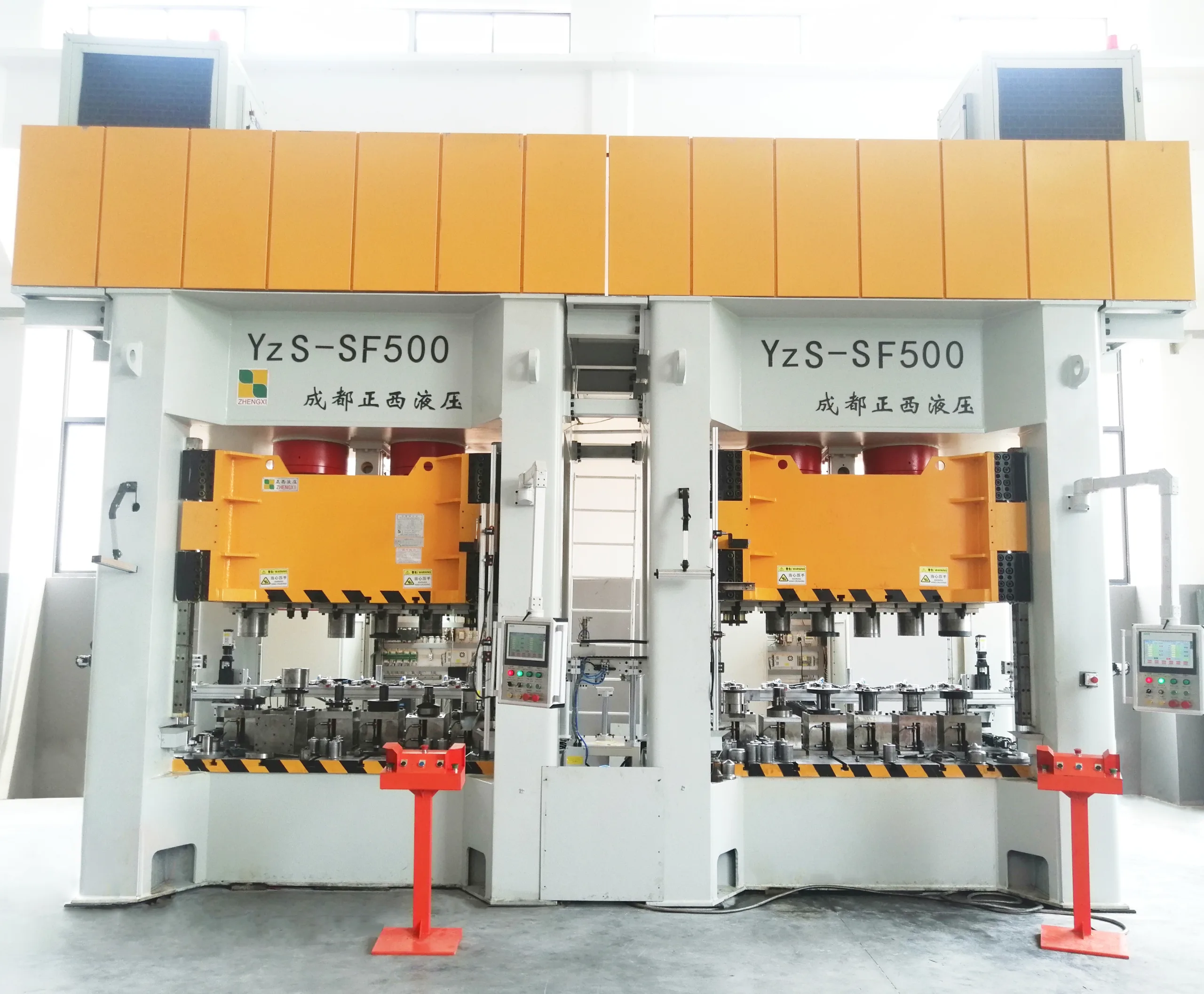
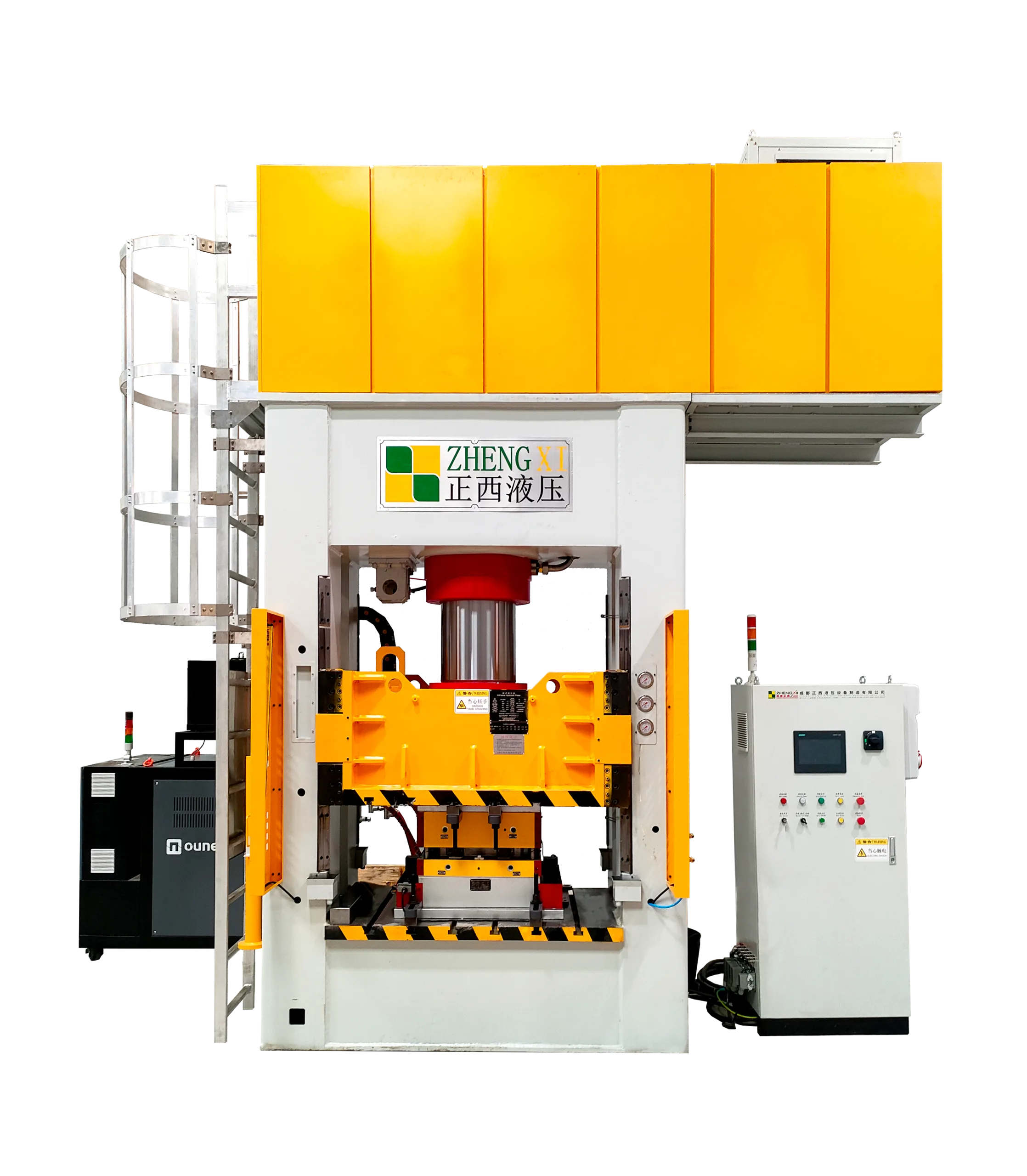
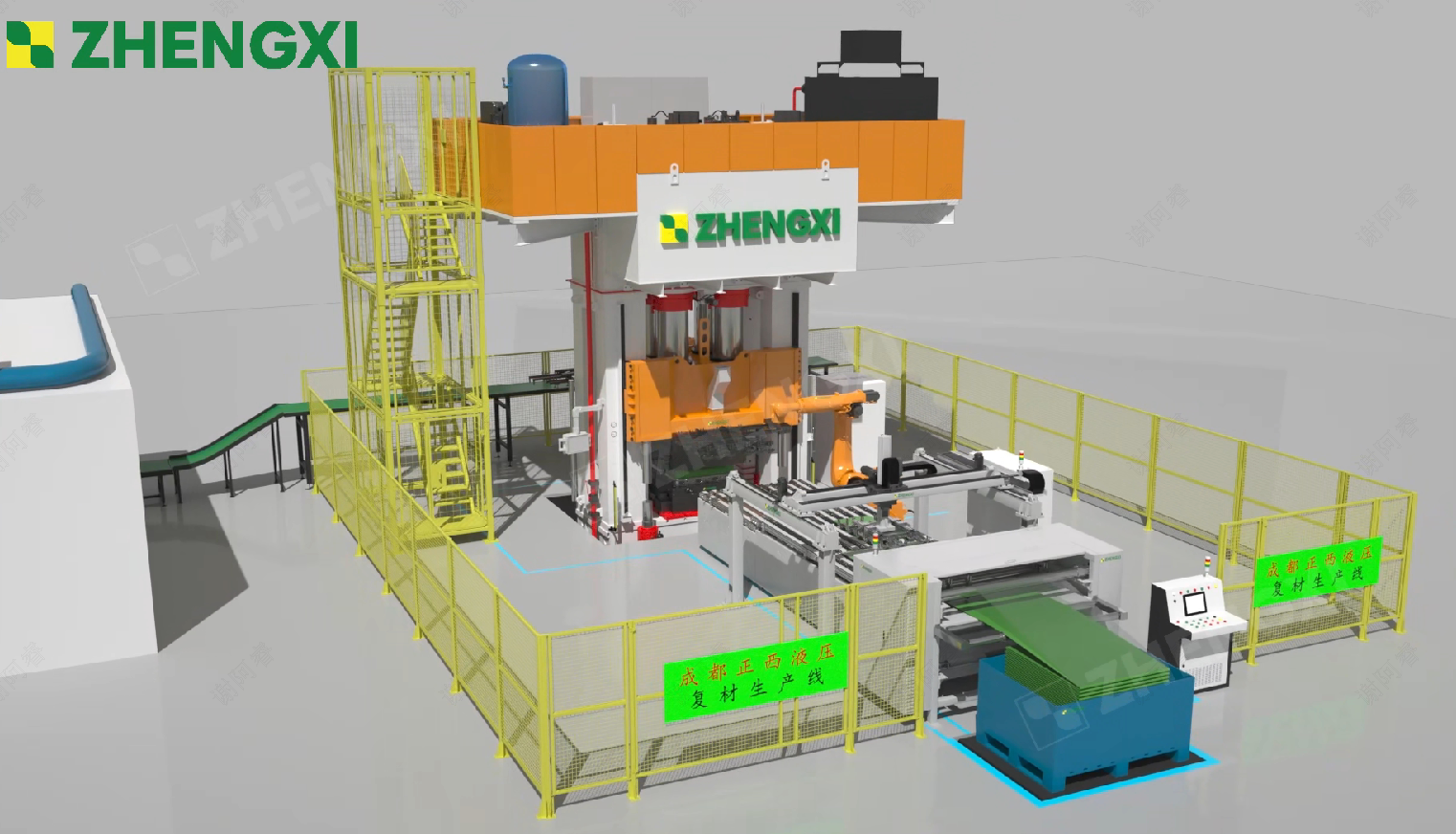
C-frame hydraulic presses, also known as single-column presses, are renowned for their unique three-sided open design. This article explores their core structural features, primary advantages, and ideal application scenarios. We highlight why these hydraulic presses are a cost-effective and space-saving solution for operations requiring high accessibility and flexibility in metal forming, assembly, and maintenance tasks.
Structural Design and Core Features of C-Frame Hydraulic Presses
- Open-Front “C” Shape Design. The defining feature of a C-frame hydraulic press is its three-sided open structure. Unlike four-column presses, it provides unobstructed access from the front, left, and right sides. This design offers exceptional operator accessibility for loading, unloading, and monitoring the work process.
- Vertical Configuration and Robust Construction. The hydraulic cylinder is typically mounted at the top of the “C” frame, with the worktable at the bottom. This vertical layout is intuitive and facilitates die installation. Modern C-frame hydraulic presses often utilize a heavy-duty welded steel body, stress-relieved to ensure long-term precision and stability under load.
Primary Advantages and Benefits of Using a C-Frame Press
- Superior Material Handling and Flexibility. The open design simplifies material flow. Operators can easily feed long or irregularly shaped workpieces from the side. This makes the C-frame hydraulic press ideal for manual or semi-automated tasks where flexibility is key.
- Compact Footprint and Cost-Effectiveness. C-frame hydraulic presses have a smaller footprint compared to larger frame types. They are perfect for workshops or labs with limited space. Their relatively simpler construction also translates to a lower initial investment and easier maintenance, offering excellent value.
- Quick Die Change and Setup. Without the obstruction of side columns, changing and adjusting tools or dies is faster and more straightforward. This significantly reduces downtime between production runs, boosting overall operational efficiency for the hydraulic press.
Ideal Application Scenarios for C-Frame Hydraulic Presses
- Perfect for Light Forming and Assembly Work. These hydraulic presses excel in applications requiring precision and flexibility rather than extreme force. Common uses include straightening shaft-type parts (allowing for easy multi-angle inspection), precision pressing and assembly of components like electronic parts or motor rotors, and light forming operations such as blanking, bending, and coining.
- Considerations for Selection. It’s important to note that the single-column design can experience minimal frame deflection (“yawning”) under very high tonnage. For applications demanding ultra-high precision or very high force, a more rigid H-frame or four-column hydraulic press might be a more suitable choice.
Final Conclusion
C-frame hydraulic presses offer a unique combination of accessibility, compact design, and cost efficiency. Their open structure makes them exceptionally versatile for a wide range of light to medium-duty forming, straightening, and assembly tasks. While they may not be suited for the heaviest forging applications, they remain an indispensable and highly productive solution in many manufacturing, maintenance, and laboratory environments. Understanding their key features and ideal use cases helps in selecting the right hydraulic press for your specific operational needs.