Summary
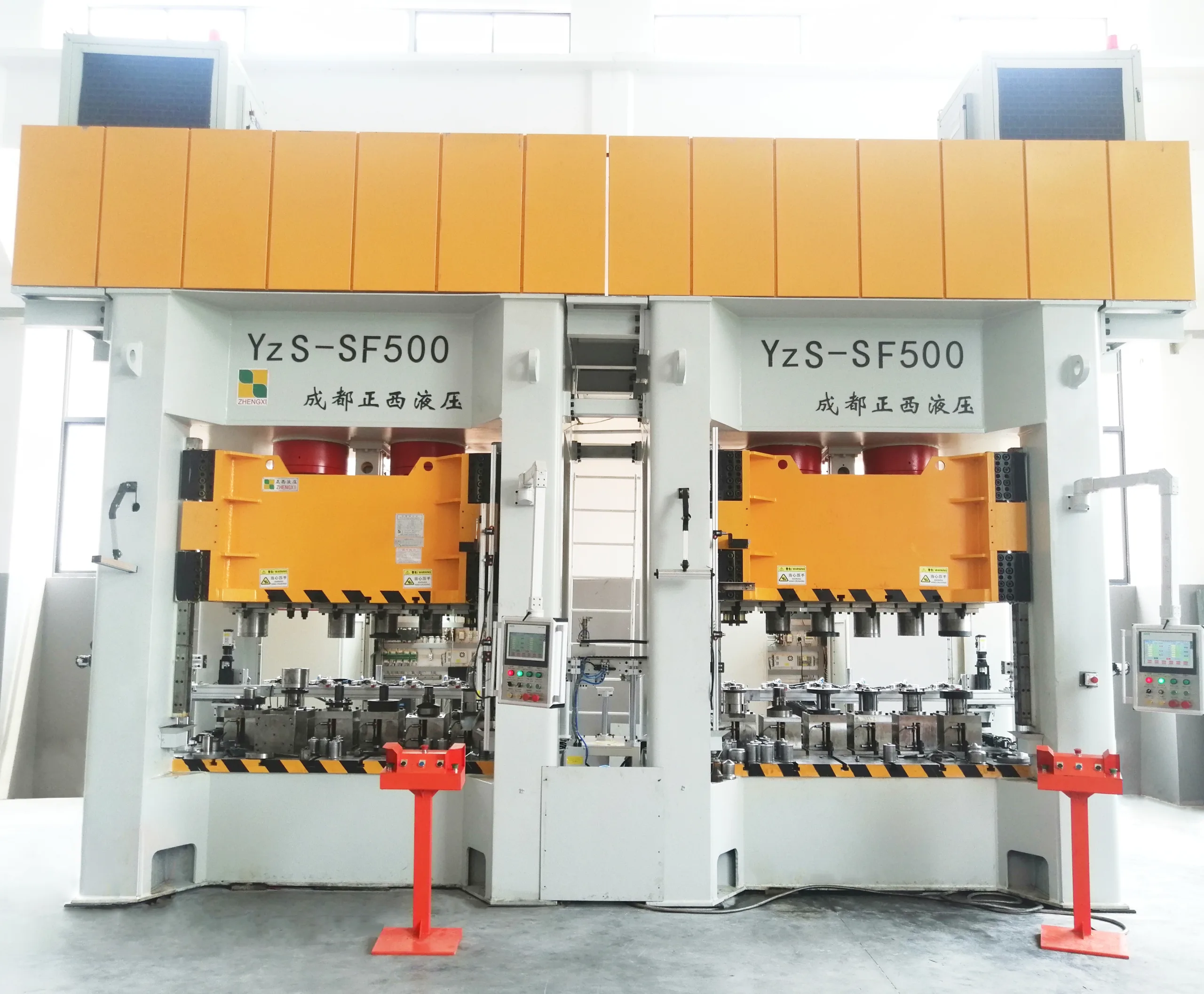
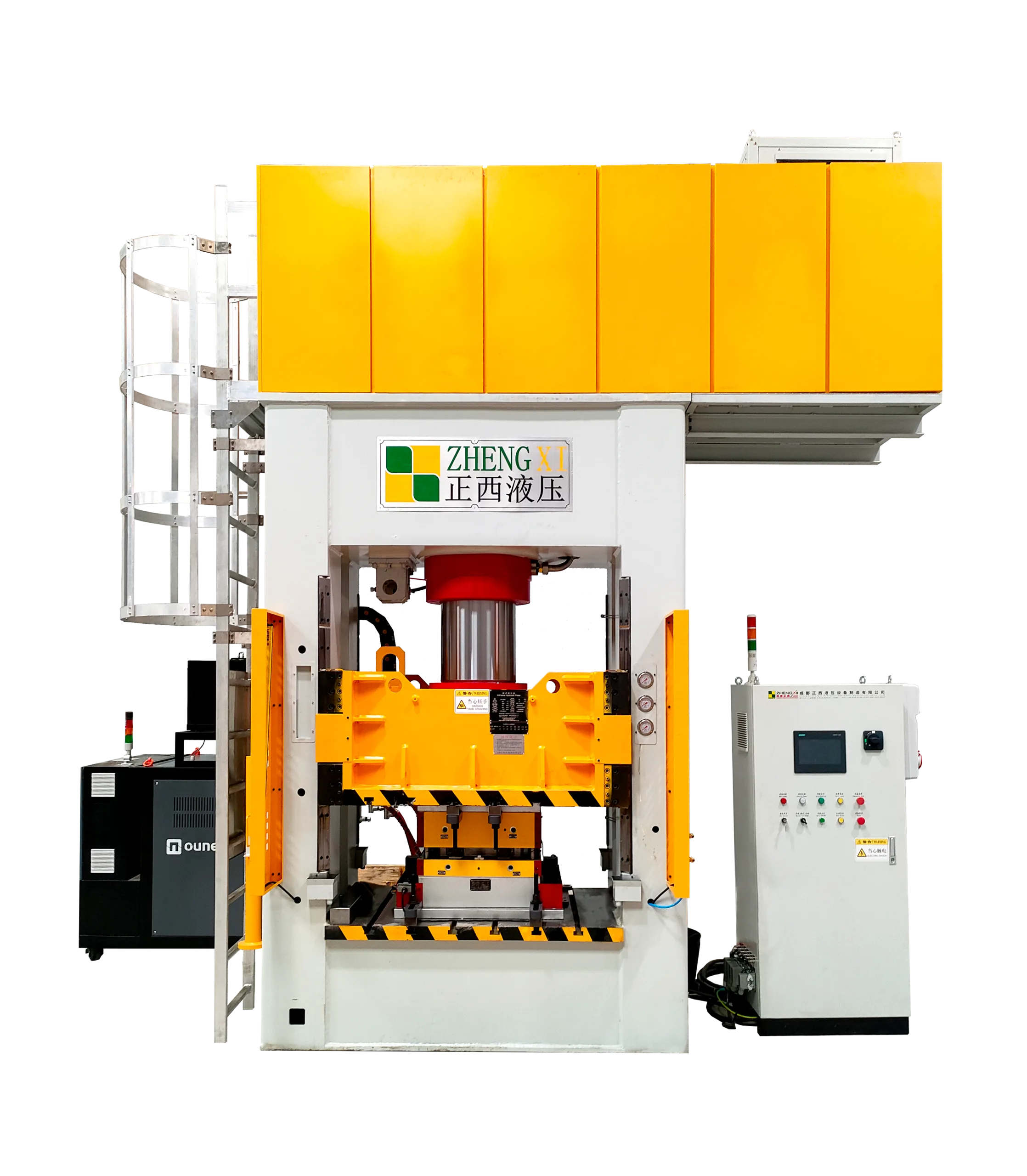
Fiberglass forming hydraulic presses are essential equipment in the composite materials industry, providing precise control and high-pressure capabilities required for manufacturing fiber-reinforced plastic (FRP) products. These presses offer numerous advantages that make them ideal for compression molding processes involving SMC (Sheet Molding Compound), BMC (Bulk Molding Compound), FRP, GRP, and other composite materials. The hydraulic system’s ability to deliver uniform pressure distribution, precise control, and high tonnage capacity ensures the production of high-quality composite components with excellent mechanical properties and dimensional accuracy.
High-Pressure Capability for Superior Composite Densification
Achieving Optimal Material Compaction and Fiber Impregnation
Fiberglass forming hydraulic presses deliver extremely high molding pressures ranging from tens to thousands of tons, which is crucial for proper composite material densification. This high-pressure capability ensures complete fiber impregnation by the resin matrix, eliminates air bubbles, and achieves high fiber content in the final product. The hydraulic system’s ability to generate substantial closing force is particularly important for structural composite components requiring excellent mechanical properties and low porosity. The pressure levels directly impact product density, dimensional accuracy, and surface quality, making high-pressure capability a fundamental advantage of hydraulic presses in composite manufacturing.
Enhanced Mechanical Properties Through Controlled Pressure Application
The precise pressure control offered by hydraulic systems allows manufacturers to optimize the mechanical properties of fiberglass composites. By applying controlled pressure throughout the molding cycle, hydraulic presses ensure uniform resin flow and proper fiber orientation, resulting in components with superior strength-to-weight ratios. This capability is especially valuable for automotive and aerospace applications where lightweight yet strong components are essential. The hydraulic press’s ability to maintain consistent pressure during the curing process contributes to the development of composite materials with enhanced flexural strength, tensile strength, and impact resistance compared to traditional manufacturing methods.
Precise Pressure Control and Process Stability
Advanced Control Systems for Consistent Production Quality
Modern fiberglass forming hydraulic presses incorporate sophisticated control systems that enable precise regulation of pressure throughout the entire molding cycle. Through proportional or servo valves, these presses can accurately set, adjust, and maintain pressure curves during critical phases including mold closing, pressurization, pressure holding, pressure relief, and mold opening. This precise control is essential for managing resin flow characteristics, preventing fiber washout, ensuring uniform product thickness, reducing internal stresses, and maintaining batch-to-batch consistency. The integration of PLC and touch screen interfaces allows operators to program specific pressure profiles tailored to different composite materials and product requirements.
Optimized Process Parameters for Different Composite Materials
The versatility of hydraulic pressure control enables manufacturers to optimize process parameters for various composite formulations. Different materials such as SMC, BMC, DMC, GMT, and LFT-D require specific pressure profiles during molding. Hydraulic presses can accommodate these variations through programmable settings that control pressure ramp-up rates, holding times, and pressure release sequences. This adaptability ensures optimal processing conditions for each material type, resulting in consistent product quality regardless of the composite formulation being used. The ability to precisely control pressure parameters also facilitates the development of new composite materials with enhanced properties.
Uniform Pressure Distribution Across Mold Surface
Ensuring Consistent Product Thickness and Quality
Hydraulic presses feature large-area, high-rigidity work tables and moving crossbeams combined with precision guidance systems that ensure pressure is evenly distributed across the entire mold contact surface. This uniform pressure distribution is essential for producing composite components with consistent thickness, homogeneous properties, and freedom from deformation defects. The mechanical design of hydraulic presses, including their frame construction and guiding arrangements, contributes to this uniform pressure application. For large or complex-shaped components, such as automotive body panels or building facade elements, uniform pressure distribution becomes even more critical to prevent variations in material density and mechanical performance.
Reduced Rejection Rates and Improved Production Efficiency
The uniform pressure distribution achieved by hydraulic presses significantly reduces product rejection rates due to dimensional inconsistencies or performance variations. By ensuring that every area of the mold receives equal pressure, these presses minimize issues such as incomplete filling, uneven curing, and thickness variations that commonly occur with less sophisticated equipment. This consistency translates to higher production efficiency, reduced material waste, and improved overall equipment effectiveness (OEE). Manufacturers benefit from predictable production outcomes and reduced quality control requirements, making hydraulic presses a cost-effective solution for high-volume composite manufacturing.
Versatile Adaptability for Diverse Composite Applications
Multi-Material Compatibility and Production Flexibility
Fiberglass forming hydraulic presses demonstrate exceptional adaptability through simple mold changes and parameter adjustments. A single hydraulic press can produce various glass fiber composite products with different shapes, sizes, and material compositions, offering significant production flexibility. This versatility extends to processing different composite formulations including thermosetting plastics (FRP) and thermoplastic products suitable for SMC, BMC, DMC, GMT, and other bulk and sheet materials. The ability to quickly switch between different production setups makes hydraulic presses ideal for manufacturers serving multiple industries or producing diverse product lines.
Integration with Automation Systems for Enhanced Productivity
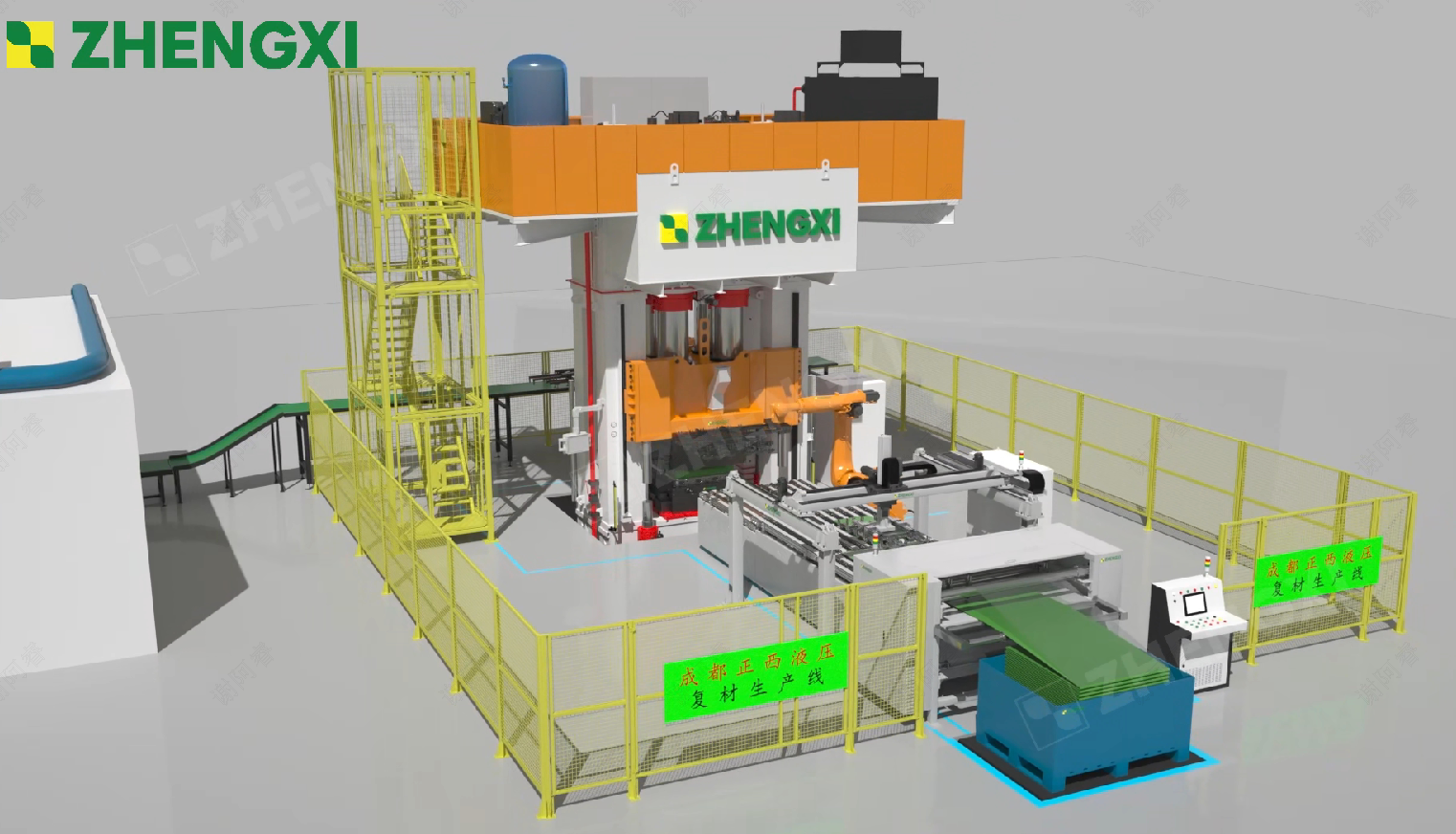
Hydraulic presses readily integrate with automation systems including automatic material feeding, part removal, and post-processing equipment. This compatibility enables the creation of fully automated production lines that maximize efficiency while minimizing labor requirements. Automated systems can handle material preparation, mold loading, part ejection, and quality inspection, allowing hydraulic presses to operate continuously with minimal human intervention. The integration potential extends to peripheral equipment such as material preheaters, trimming machines, and surface treatment systems, creating comprehensive production solutions for composite manufacturing.
Energy Efficiency and Environmental Considerations
Advanced Hydraulic Systems with Reduced Energy Consumption
Modern fiberglass forming hydraulic presses incorporate energy-saving technologies that significantly reduce power consumption compared to traditional systems. Servo-driven hydraulic systems, in particular, offer substantial energy savings by matching power output to actual process requirements rather than operating at constant high power levels. These systems combine the rapid stepless speed regulation characteristics of servo motors with the self-regulating pressure characteristics of hydraulic pumps, achieving energy savings of 30-80% compared to conventional variable pump systems. The reduced energy consumption contributes to lower operating costs and improved environmental sustainability.
Reduced Noise Levels and Improved Working Conditions
Contemporary hydraulic press designs prioritize operator comfort and environmental impact through noise reduction technologies. Advanced hydraulic systems typically operate at noise levels 15-20 dB lower than traditional variable pump systems, creating quieter working environments that comply with occupational health and safety regulations. Additionally, these systems generate less heat during operation, reducing cooling requirements and further decreasing energy consumption. The overall reduction in hydraulic oil temperature also extends the service life of seals and other components, contributing to lower maintenance requirements and improved equipment reliability.
Conclusion
Fiberglass forming hydraulic presses represent a critical technology in the composite manufacturing industry, offering a comprehensive set of advantages that address the specific requirements of fiber-reinforced plastic production. From their high-pressure capabilities and precise control systems to their uniform pressure distribution and versatile adaptability, these presses provide the technological foundation for producing high-quality composite components across diverse applications. The continuous advancement of hydraulic technology, including energy-efficient systems and enhanced automation capabilities, ensures that these presses remain at the forefront of composite manufacturing innovation. As the demand for lightweight, strong, and corrosion-resistant materials grows in industries such as automotive, aerospace, construction, and consumer goods, fiberglass forming hydraulic presses will continue to play an essential role in meeting these evolving manufacturing challenges while delivering consistent quality, production efficiency, and cost-effectiveness.