Core Principle: How Servo Drive Technology Powers Hydraulic Presses
1. From Constant Overflow to On-Demand Power Supply. Traditional hydraulic presses use an induction motor that runs at a constant speed. When the system does not need oil, excess pressure is released through an overflow valve. This process wastes a lot of energy and creates unnecessary heat. It is an inefficient system.
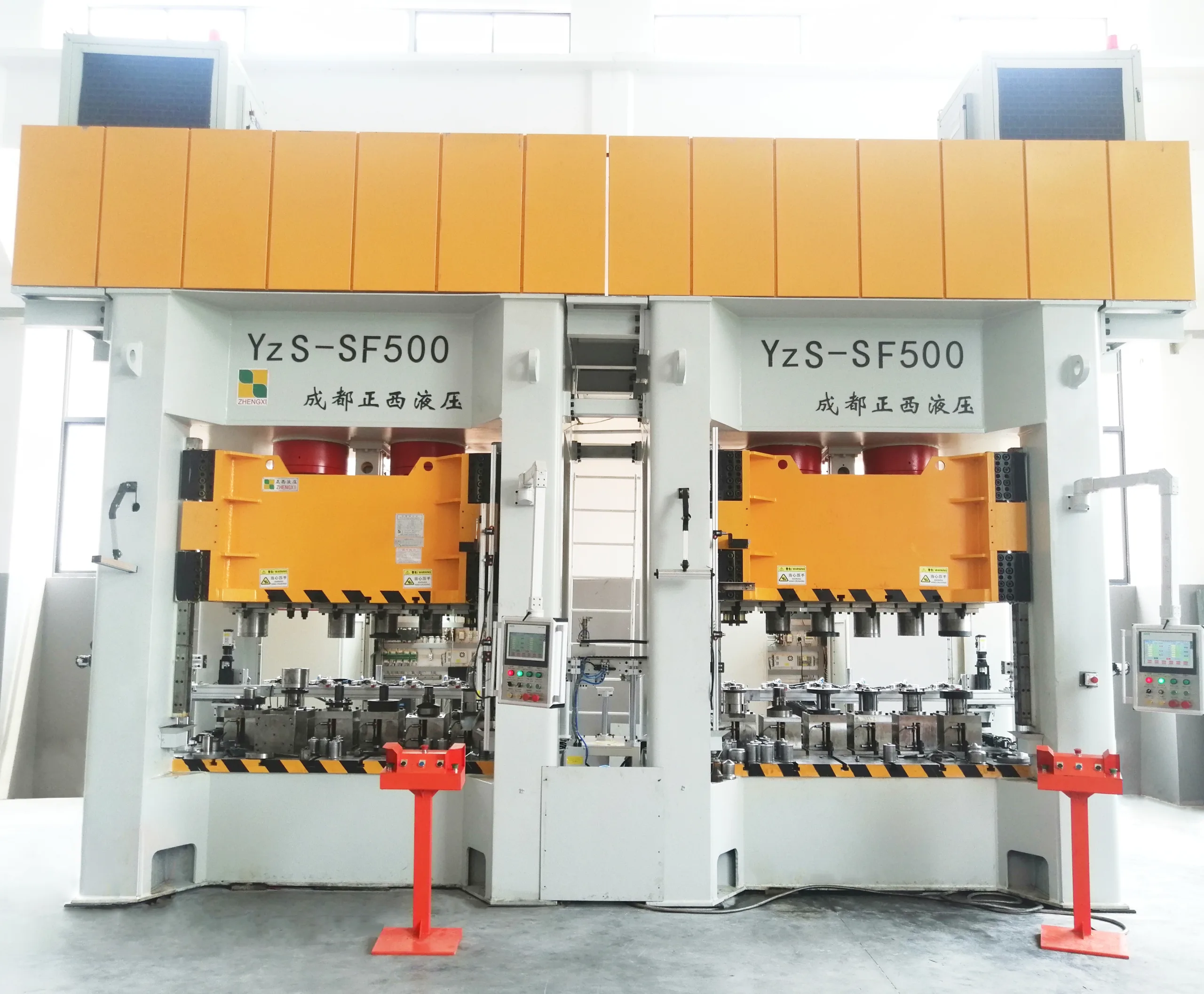
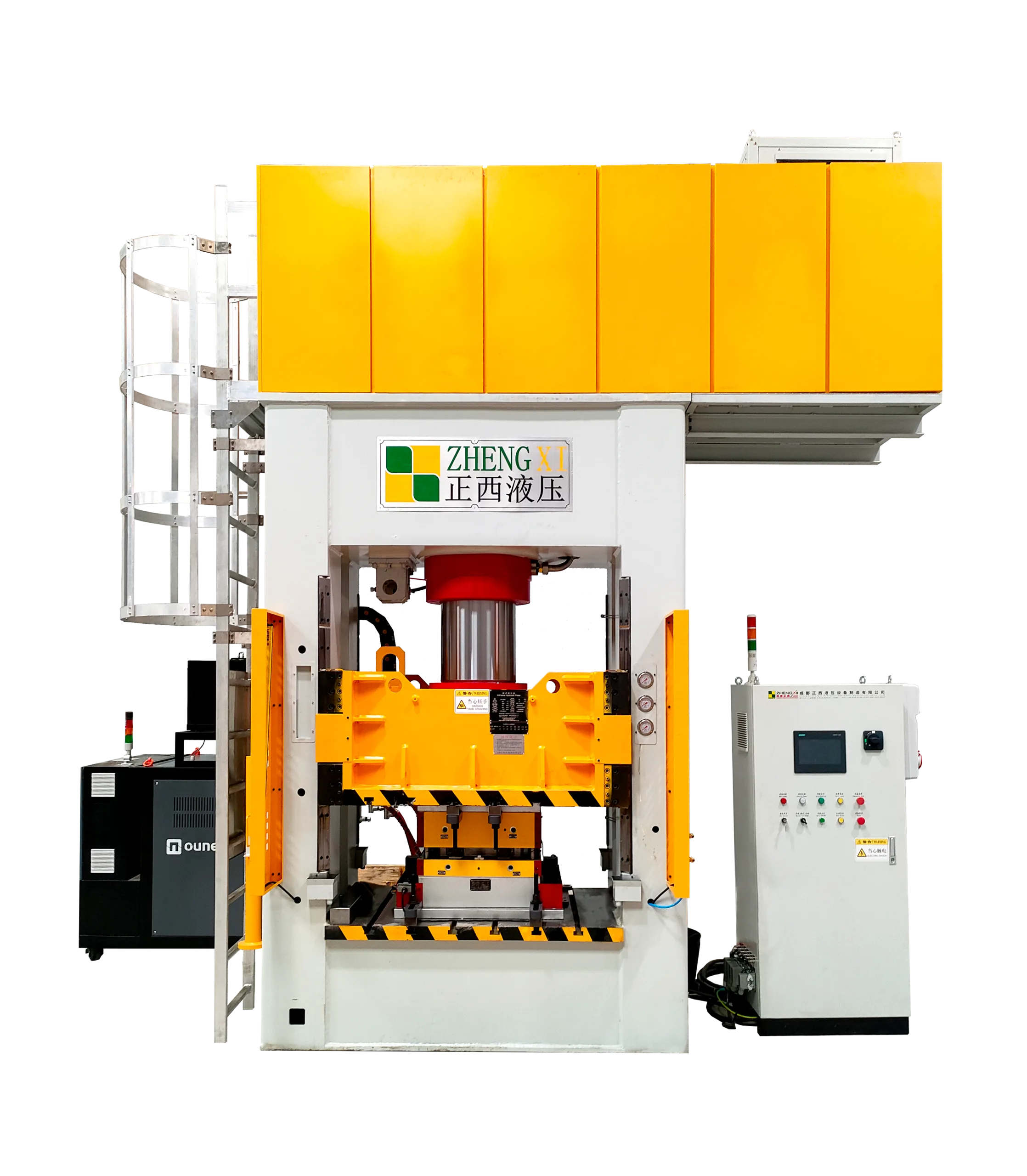
2. The Smart System: Servo Motor and Precision Pumps. A servo hydraulic press uses a servo motor and a high-pressure gear or piston pump. The motor’s speed changes based on real-time commands for pressure and position. The motor speeds up for high pressure and slows to a very low speed to maintain pressure. It can stop completely when on standby. A closed-loop feedback system uses sensors to adjust the system in milliseconds.
Why Hydraulic Press Energy Saving Matters
1. Extreme Energy Efficiency. The main benefit of a servo hydraulic press is energy saving. The savings are greatest in processes with long pressure-holding times, such as molding or composite material curing.
2. Unmatched Precision and Control. These presses offer incredible control. The servo system also compensates for leaks, keeping pressure very stable. This stability is crucial for producing high-quality products consistently.
3. Lower Noise and Reduced Heat Rise. Because the motor does not always run at full speed, the machine is much quieter. With very little overflow loss, the hydraulic oil temperature stays low. This can reduce the need for a cooling system and extend the life of seals.
Applications of Precision Hydraulic Forming with Servo Presses
1. Precision Electronics Molding. Electronic parts like phone components and connectors require very gentle force and high repeatability. A servo hydraulic press can perform a “soft landing” function. This avoids mold impact and protects delicate parts.
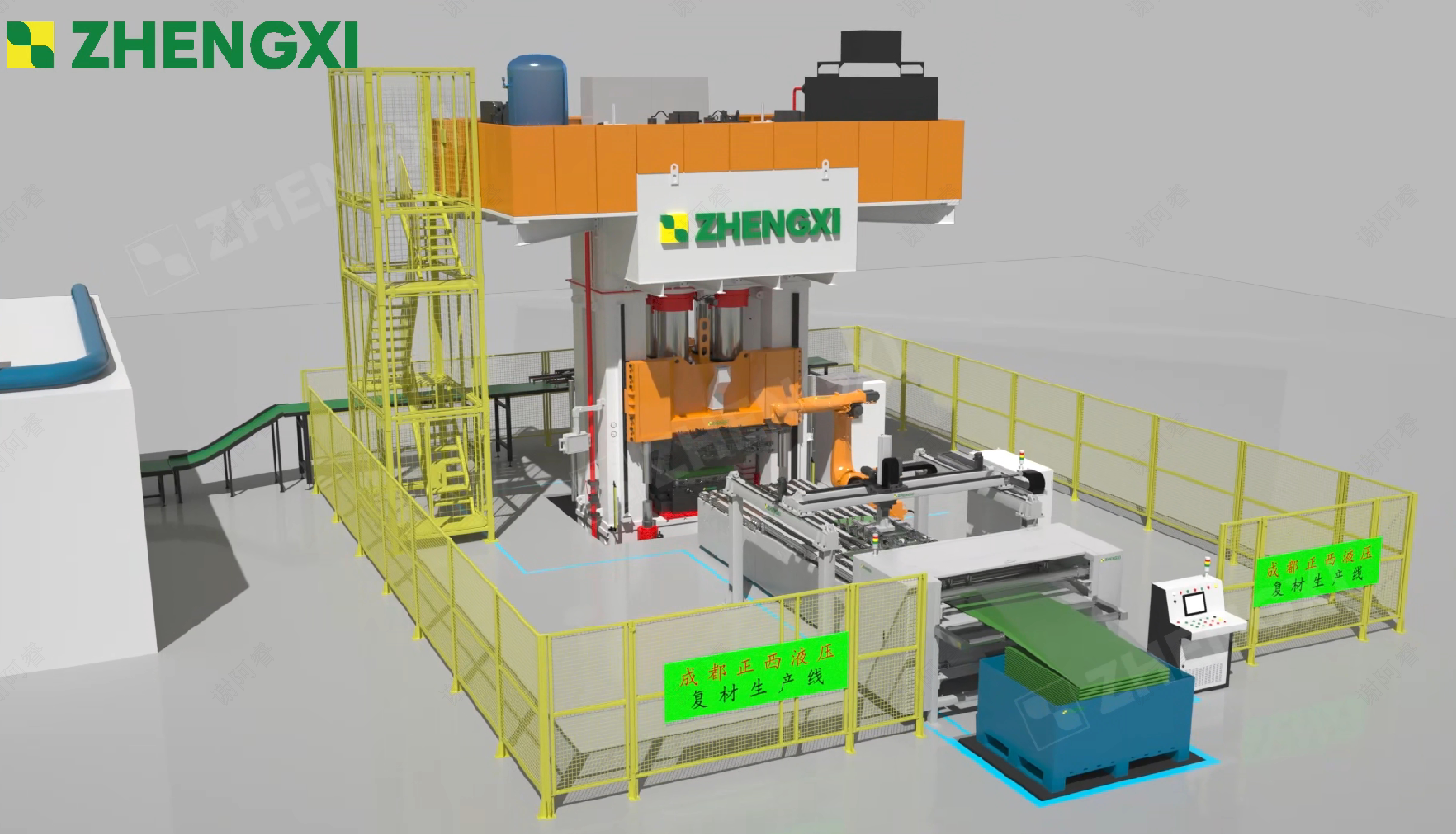
2. Composite Material Pressing. Materials like carbon fiber need to follow a precise pressure-time curve for curing. Servo systems can be programmed with multiple stages. They precisely control the pressure increase and release. This prevents defects like bubbles or cracks inside the final product.
3. Powder Metallurgy and Ceramic Forming. In these processes, controlling the density of the pressed material is key. Servo technology ensures the density is uniform throughout the product. This uniformity reduces deformation after sintering and improves final quality.
Conclusion
The servo hydraulic press is more than just an upgrade; it is a fundamental change in hydraulic forming technology. By using servo drive technology, it offers superior energy saving, unmatched precision, and quieter operation. This makes it an essential tool for high-tech industries like electronics and composites. It is driving modern manufacturing toward a greener and smarter future.